Wholesale buyers choosing a Refillable Pod System need more than a low unit price. They need dependable supply, clear specifications, and products suited to their intended market. Grand View Research estimated the global e-cigarette and vape market at USD 28.17 billion in 2023, with projected growth through 2030. This is a broad category estimate, not a forecast for refillable pods alone. Still, it signals a competitive market where purchasing decisions deserve careful review.
Start with practical details. Compare pod capacity, coil availability, device compatibility, charging method, packaging, and stated quality controls. Ask suppliers for test documentation and written warranty terms, then check whether sample devices perform consistently across batches. A smooth draw matters. So does a replacement pod that fits as promised. These small details can shape customer satisfaction and reduce avoidable returns.
Wholesale suitability also depends on the destination market. Requirements for product registration, labeling, age restrictions, and permitted product features vary, so verify current rules with qualified local sources before ordering. Do not assume that one supplier’s compliance claim applies everywhere. Check it independently. A polished catalogue is not proof of quality, and a low quote can hide weak after-sales support. I would treat supplier selection as an ongoing review, not a one-time decision; that takes effort, but it is more reliable than choosing on price alone. The sections below explain how to compare products, suppliers, and wholesale terms with evidence rather than guesswork.
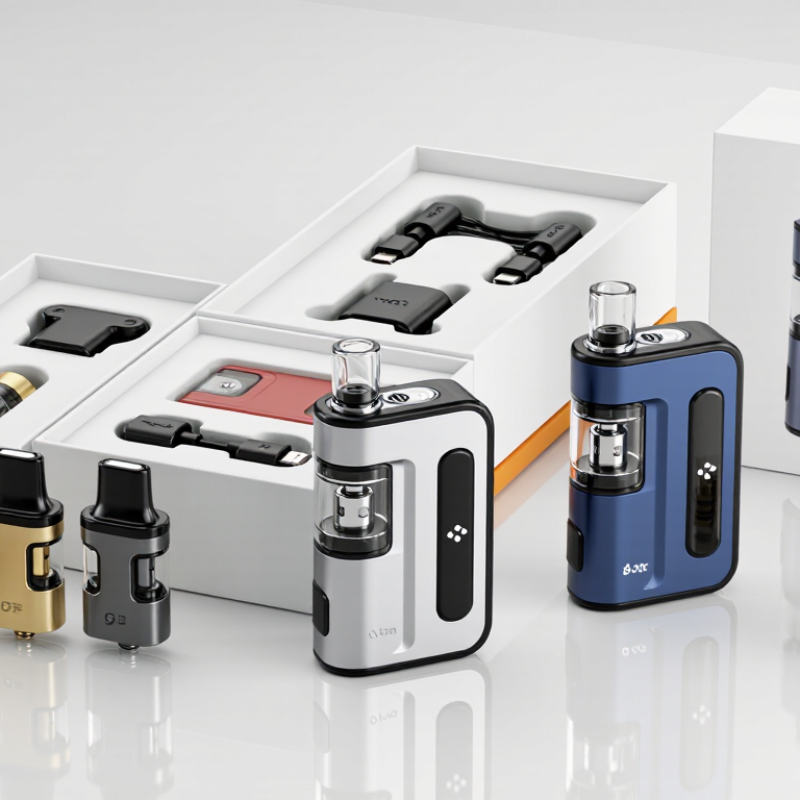
A refillable pod system has two main sections: a reusable battery device and a removable pod. The pod holds e-liquid in a small reservoir, often behind a clear or tinted wall. Inside, a coil heats the liquid, while a wick carries it toward the coil. Small parts matter. If the wick dries out or the coil wears down, taste and vapor can change.
Air enters through openings in the pod or device, then passes across the coil. The battery supplies power through metal contacts, and a button or draw sensor activates it. Some pods have adjustable airflow or replaceable coils; others are designed as one sealed unit. For wholesale evaluation, check how each part is filled, fitted, cleaned, and replaced. Ask for specifications on pod capacity, coil compatibility, and materials, then test samples for loose connections and leakage. A clear window helps users see the remaining liquid, but it does not prevent every spill. Fit can also feel less intuitive than product sheets suggest, so hands-on checks are worth the time.
A wholesale range should serve distinct adult customer groups, not just offer the widest device list. Independent retailers may need compact systems with simple pod replacement and clear setup instructions. Specialist shops may prefer several airflow options and compatible pod styles. In markets where customers value portability, a light device that fits a pocket can matter more than extra features. That matters.
Match stock depth to local demand and applicable product requirements. Before ordering, check battery specifications, pod compatibility, materials, and supplier documentation. Ask for samples and test them through repeated refills; inspect for leakage, loose fittings, and inconsistent draw. A polished sample is not enough. Some details are easy to miss.
Wholesale buyers should also consider staff training and after-sales support. Clear troubleshooting guidance can help retailers explain routine care without making unsupported health claims. Keep packaging and product information appropriate for adult audiences, and verify current rules in every sales market. No range fits everyone. A small trial order, followed by retailer feedback, can reveal which formats actually move—and which seemed sensible only on paper.
For wholesale comparison, treat pod capacity as usable volume, not just a number on a carton. A larger reservoir can reduce refill frequency, but it may also make the device bulkier or harder to handle. Check fill-port access, window visibility, and whether replacement pods match the device’s coil and connection specifications. Small details matter. Ask suppliers for compatibility charts and samples; test for seepage after several refill cycles, not only straight from the box.
Battery claims need the same scrutiny. Compare milliamp-hour ratings alongside charging time and repeatable runtime tests using the same settings. A higher rating alone proves little. Grand View Research’s 2024 e-cigarette market report estimated a global market value of US$22.45 billion in 2023 and projected 3.8% annual growth through 2030. That signals a sizeable category, not guaranteed demand for any particular format. For safety documentation, check battery testing against IEC 62133-2, which covers portable sealed rechargeable lithium batteries. Design also affects day-to-day handling: inspect button placement, grip, pocket fit, and how easily staff can explain refilling. This comparison is imperfect; I would recheck real-world feedback before committing to a large order.
Compare capacity, compatibility, battery life, and design using a practical evaluation framework.
Suggested evaluation priority scores (1 = lower priority, 5 = higher priority), not measured market data. Check capacity against applicable local regulations, confirm pod and coil compatibility, compare battery capacity and charging specifications, and assess design for durability and ease of handling.
For wholesale, supplier reliability is more than a polished catalog. Ask for the manufacturing site, named quality contact, production lead times, and a written process for handling defects. ISO’s 2022 Survey reported 1,265,216 valid ISO 9001 certificates across 189 countries and economies. This counts certificates, not compliant pod factories. Verify the certificate’s scope, site, and expiry with the issuing body.
Product checks should be practical and repeatable. Request batch-level inspection records, material specifications, and complete, current laboratory reports. For battery safety, ask whether testing aligns with IEC 62133-2, which covers portable sealed secondary lithium cells and batteries. Then test samples from the same production run you may order. A tidy audit can still miss a weak connector or inconsistent airflow; that deserves honest follow-up.
Tips: Check three samples. Record leaks, fit, and charging behavior. Keep dated photos and test notes.
Before placing an order, confirm the destination market’s requirements for labeling, packaging, product registration, electrical safety, and required disclosures. Ask the supplier to provide documents mapped to those requirements, and have a qualified local compliance professional review them. Rules can change, and a supplier’s assurance is not a substitute for verification.
Plan wholesale quantities from sales records, lead times, and the number of active product variations. If reliable history is limited, start with a modest trial order rather than filling a warehouse. Track device units, replacement pods, and compatible components separately; demand may differ across them. Small tests help. A spreadsheet showing weekly sales and supplier delivery dates can reveal when stock is likely to run low.
Set pricing from the full landed cost, not the supplier’s unit price alone. Include freight, packaging, storage, payment fees, and a reasonable allowance for damaged or unsellable units. Then compare your price with similar products in your market while protecting a workable margin. A low quote can look attractive, but costs have a way of appearing later. Confirm local product, packaging, and labeling requirements before committing to a large purchase.
Use reorder points for each item, based on typical sales during the replenishment period, with a small buffer for delays. Keep records. Store stock in a dry, organized area, label cartons by arrival date, and sell older inventory first. Review the numbers monthly and adjust orders when sales shift. Forecasts will still be imperfect; that is a reason to check them often, not to pretend they are exact.
| Product Type | Estimated Monthly Demand (Units) | Lead Time (Days) | Safety Stock (Units) | Reorder Point (Units) | Estimated Landed Cost per Unit (USD) | Illustrative Wholesale Price Tiers (USD per Unit) | Gross Margin at 1,000+ Units | Suggested Opening Order (Units) | Estimated Opening Order Cost (USD) |
|---|---|---|---|---|---|---|---|---|---|
| Starter device kit (device and two refillable pods) |
600 | 30 | 200 | 800 | $8.40 | 100–499: $13.00 500–999: $12.25 1,000+: $11.60 |
27.6% | 1,000 | $11,600 |
| Replacement refillable pods (2-pack) |
900 | 30 | 300 | 1,200 | $2.10 | 100–499: $4.20 500–999: $3.95 1,000+: $3.75 |
44.0% | 1,500 | $5,625 |
| Replacement refillable pods (3-pack) |
450 | 30 | 150 | 600 | $2.65 | 100–499: $5.25 500–999: $4.95 1,000+: $4.70 |
43.6% | 1,000 | $4,700 |
It has a reusable battery device and a removable pod. Inside the pod, a wick carries liquid to a coil for heating. Small parts matter.
Check how pods fill, fit, clean, and replace. Test repeated refills for leaks, loose connections, and uneven airflow. Test samples first. A clear window shows liquid levels, but it cannot prevent every spill.
Match products to adult customer preferences and local demand. Small shops may favor compact devices with simple pod replacement. Specialist retailers may want more airflow and pod options. No range fits everyone.
Confirm battery specifications, pod compatibility, materials, and supplier documentation. Check packaging and labeling requirements in each sales market. Details can be easy to miss.
Use sales records, delivery lead times, and the number of product variations. If sales history is limited, start with a modest trial order. Track devices, pods, and compatible parts separately.
Include freight, packaging, storage, payment fees, and an allowance for damaged or unsellable stock. Compare similar products locally while keeping a workable margin. A low quote may hide later costs.
Set reorder points based on expected sales during delivery time, with a small delay buffer. Store cartons in a dry area and label arrival dates. Keep records. Sell older stock first.
Provide clear setup instructions, routine-care guidance, and staff training. Avoid unsupported health claims and keep product information suitable for adult audiences. Forecasts remain imperfect, so review them often.
Choosing the best Refillable Pod System for wholesale starts with understanding how its components work together, including the pod, refillable reservoir, coil, and battery. Buyers should identify the intended users and markets before selecting a product range, since preferences for capacity, portability, ease of use, and appearance can vary. Comparing these features alongside device compatibility and battery performance helps wholesalers build a practical assortment rather than relying on a single specification.
Supplier selection is equally important. Review product consistency, quality-control processes, clear documentation, and applicable market requirements before placing an order. Then estimate wholesale quantities using expected demand, pricing targets, storage capacity, and replenishment timelines. A balanced inventory plan can reduce the risk of excess stock or shortages while leaving room to adjust the range as customer preferences change. By evaluating product design, supplier reliability, and purchasing needs together, wholesalers can make informed decisions and create a dependable product offering.