Explore our CE-certified, factory-direct electronic cigarette hardware and electric smoke liquid solutions engineered for international markets.

Understanding shifting global regulations, consumer demands for safety, and the strategic imperative of robust factory certification.
The global electronic atomization market is experiencing a profound pivot toward rigorous compliance, chemical transparency, and heavy metal safety. As international regulatory bodies such as the European Medicines Agency (EMA), the US FDA, and global customs authorities enforce stricter oversight on aerosol emissions and chemical purity, CE Certification for electric smoke liquids has transcended being a mere regulatory badge—it is now a crucial market entry permit.
Distributors, regional importers, and brand owners no longer look solely at unit cost; they demand comprehensive documentation proving compliance with European Conformity standards, including Low Voltage Directive (LVD) compatibility for powered hardware, Electromagnetic Compatibility (EMC), and environmental chemical compliance under REACH and RoHS directives.
Non-certified e-liquids and unverified electric smoke liquid factories present massive operational risks for international B2B buyers. Uncontrolled thermal degradation of sub-standard carrier fluids can yield dangerous carbonyl compounds (such as formaldehyde and acrolein), while illicit synthetic additives expose importers to severe customs seizures and product liability lawsuits.
By partnering with an established, CE-certified China factory like Dongguan Hongruida Technology Co., Ltd., global procurement teams secure full batch traceability, certified USP/EP grade raw ingredients, and guaranteed compliance with international safety protocols across every unit shipped.
Inside the chemistry of premium electric smoke liquids: carrier ratios, nicotine salt synthesis, thermodynamic vapor dynamics, and ceramic coil interaction.
The foundation of high-grade electric smoke liquid rests on the precise equilibrium between Vegetable Glycerin (VG) and Propylene Glycol (PG). We utilize 99.9% pharmaceutical-grade USP/EP certified VG and PG.
Unlike conventional freebase nicotine which has a harsh alkaline pH (8.0–8.5), our advanced formulation labs utilize acid-base titration to protonate pharmaceutical-grade nicotine with organic acids (such as benzoic, levulinic, or lactic acid).
This lowers the solution pH to a bio-friendly 5.5–6.5 range, reducing mucosal irritation, speeding up blood-brain barrier absorption, and providing a clean, authentic sensation closely mimicking traditional delivery systems.
Electric smoke liquid does not exist in isolation; its performance depends on thermal interaction with mesh heating coils. Our formulation engineers test every liquid batch against dual-mesh and ceramic heating elements to evaluate atomization curves between 180°C and 240°C.
By mapping thermal decomposition profiles via Gas Chromatography-Mass Spectrometry (GC-MS), we eliminate flavor compound scorching and preserve original aromatic fidelity across tens of thousands of puffs.
A detailed breakdown of international testing standards, European directives, and chemical safety protocols embedded in our manufacturing process.
CE Certification for electric smoke liquids and hardware requires passing strict tests under unified European Directives. Our products undergo rigorous testing by accredited third-party labs (such as SGS, TUV, and Intertek) to earn full compliance documentation:
| Directive / Standard | Scope & Requirement | Verification Method |
|---|---|---|
| RoHS Directive (2011/65/EU) | Restriction of 10 Hazardous Substances (Lead, Cadmium, Mercury, Hexavalent Cr, PBBs, PBDEs, Phthalates) | X-Ray Fluorescence (XRF) & ICP-OES Spectrometry |
| REACH (EC 1907/2006) | Screening of Substances of Very High Concern (SVHC) across chemical formulations | Comprehensive Chemical Extraction & Spectral Analysis |
| EMC Directive (2014/30/EU) | Electromagnetic interference & immunity testing for electronic atomizers | Anechoic Chamber RF Radiation & Immunity Sweep |
| LVD Directive (2014/35/EU) | Electrical safety, battery cell protection, and thermal runaway prevention | Overcharge, Short Circuit, & Thermal Abuse Stress Testing |
For European distribution, electric smoke liquid filling must strictly adhere to the Tobacco Products Directive (TPD 2014/40/EU) Article 20 requirements. Our automated filling facilities produce fully compliant e-liquids and disposable hardware that feature:
How Dongguan Hongruida Technology Co., Ltd. leverages Dongguan’s precision industrial cluster to deliver unmatched yield, speed, and cost stability.
E-liquid compounding and automated filling take place inside dust-free ISO Class 8 cleanroom facilities equipped with positive-pressure HEPA air filtration. Humidity, particle counts, and microbial contamination are controlled around the clock.
Eliminating human error in volume control, our automated liquid dosing machinery maintains filling precision within ±0.05ml tolerances. Cap-sealing, vacuum leak testing, and optical camera verification occur inline at speeds exceeding 10,000 units per hour.
Because structural parts, mold tooling, PCB soldering, liquid blending, and final device assembly occur under one corporate roof in Dongguan, lead times drop by 35% compared to fragmented OEM networks. Sourcing efficiency translates directly to lower wholesale unit costs.
Customizing electric smoke liquid viscosity, cooling profiles, nicotine strengths, and device form factors for diverse climate zones and regulatory regimes.
Regulatory Dynamics: TPD 20mg/ml nicotine ceiling and 2ml pre-filled container limits on standard disposable devices, coupled with growing market demand for legal 10ml bottles and eco-friendly modular refill systems.
Climatic Challenge: Extreme ambient temperatures (40°C–50°C) cause standard e-liquids to thin drastically, leading to leakage through airflow vents and battery short circuits.
Consumer Demand: High puff counts (20,000 to 120,000+ puffs), multi-flavor switching mechanisms, smart digital screens displaying liquid levels and battery reserves.
Climatic Challenge: High atmospheric humidity can cause hygroscopic glycerin to absorb water vapor from air, diluting flavor concentrations and creating spit-back during vaporization.
In-depth answers addressing compliance, OEM flavor development, shipping protocols, and quality assurances.
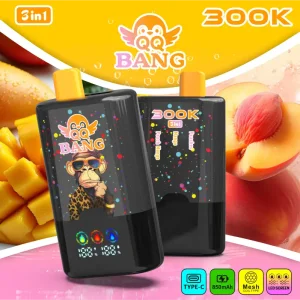
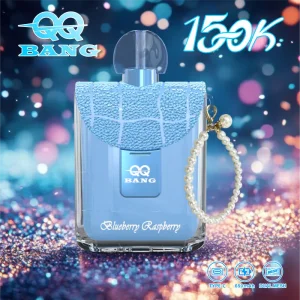
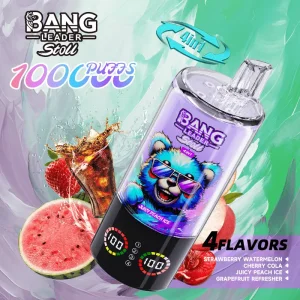
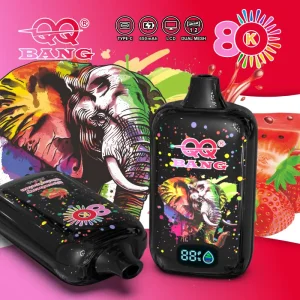
Explore our full range of high-capacity disposable electronic cigarettes, dual-mesh systems, and customizable vapes available for global delivery.
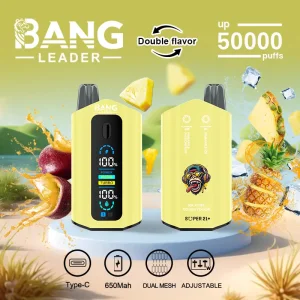
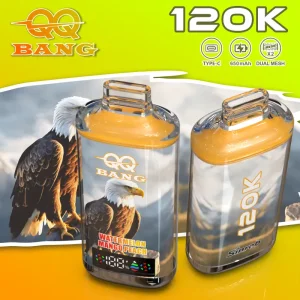
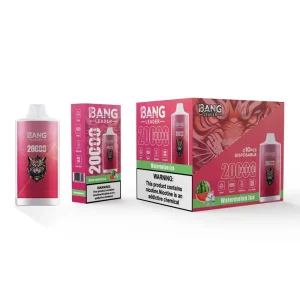
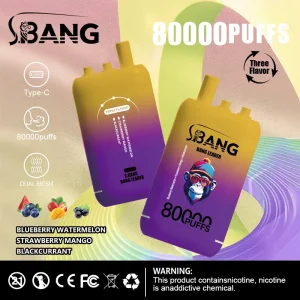
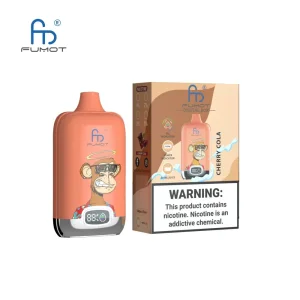
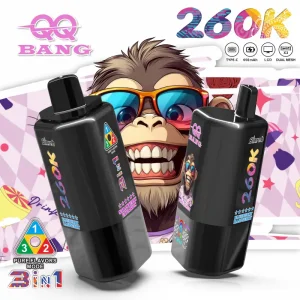
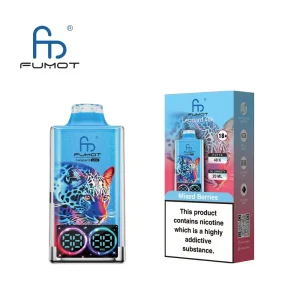
How Hongruida Technology is shaping the next decade of electronic atomization through eco-friendly innovation and IoT quality integration.
In response to global environmental regulations, our R&D department is pioneering post-consumer recycled (PCR) plastics and biodegradable PLA-based mouthpiece components. We are actively reducing carbon footprints without compromising structural integrity or aesthetic appeal.
We are advancing research into tobacco-free, optically pure (S)-isomer synthetic nicotine salts. Synthetic nicotine provides complete freedom from tobacco specific nitrosamines (TSNAs), ensuring a cleaner sensory profile and enhanced compliance alignment across strict jurisdictions.
Integrating real-time power modulation microchips with smart LED/TFT displays allows consumers to monitor coil temperature, liquid level percentages, and battery power. This prevents dry-burn thermal degradation and delivers a optimal atomization experience throughout the device lifetime.