In the rapidly evolving global e-cigarette landscape, B2B procurement directors, brand owners, and enterprise importers face rigorous market conditions governed by strict regulatory compliance, technical safety demands, and high-capacity system performance. The commercial vapor ecosystem has transitioned from legacy, low-puff disposable pods into engineered CE-Certified Vaping Systems featuring sub-ohm atomization dynamics, integrated microcontrollers, active oil-power digital telemetry, and high-efficiency rechargeable power cells.
Securing supply agreements directly with qualified OEM/ODM production factories ensures stringent quality assurance (QA) protocols, component-level traceability, and verified compliance with European Economic Area (EEA) standards—most notably the Low Voltage Directive (LVD 2014/35/EU), Electromagnetic Compatibility Directive (EMC 2014/30/EU), and Restriction of Hazardous Substances Directive (RoHS 2011/65/EU). Below is an initial selection of high-volume, compliant hardware configurations tailored for tier-1 international distributors.
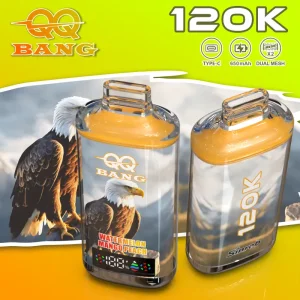
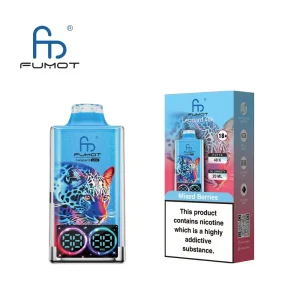

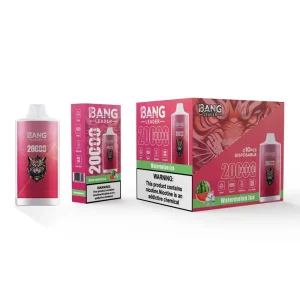
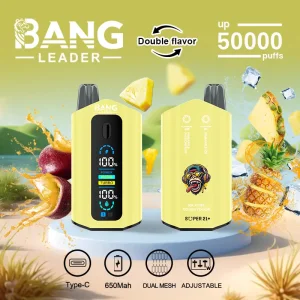
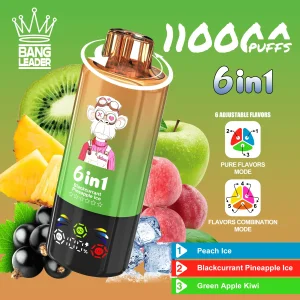
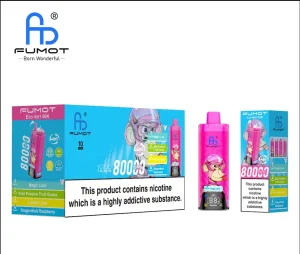
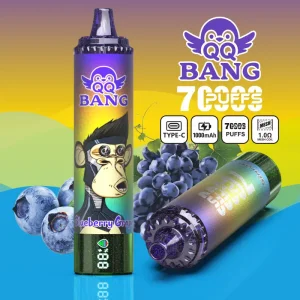
Detailed user intent mining across international import hubs demonstrates that corporate buyers prioritize three primary operational factors: Regulatory Defense, Supply Chain Continuity, and Hardware Reliability Metrics. As global regulations tighten, compliance is no longer a secondary selling point—it is an absolute market prerequisite.
Importers in the EU, UK, Middle East, and Latin America require factory partners capable of producing full technical files (TCF). CE Marking signifies compliance with essential health, safety, and environmental protection directives. Non-compliant shipments risk customs seizures, severe financial penalties, and immediate market bans.
Enterprise buyers operating at container-level volumes mandate a Defect Rate (PPM) under 0.15%. Key failure vectors in electronic atomizers—such as auto-firing, e-liquid leakage, thermal degradation, and sensor malfunction—must be systematically eliminated during automated cleanroom assembly.
Modern fast-moving consumer goods (FMCG) distribution demands rapid prototype turnaround. Production facilities must provide fully customizable structural chassis, customized coil resistance values, bespoke flavor profiles, and regional packaging localization within 14-day production windows.
To understand the information gain delivered by tier-1 CE-certified manufacturing facilities, one must analyze the inner engineering architecture of modern high-capacity vaping devices. Modern atomizers integrate micro-electronics, chemical engineering, and advanced metallurgy.
| Architecture Subsystem | Legacy Atomizer Specs | Next-Gen CE Certified Vaping System Standard | Engineering Benefit |
|---|---|---|---|
| Power Management (BMS) | Unregulated direct discharge cell | Pulse-Width Modulation (PWM) Chipset with Overcharge/Over-discharge Protection | Consistent vapor density across battery lifespan; prevents lithium thermal runaway. |
| Atomization Core | Single regular wire coil / Silica wick | Dual or Triple Mesh Heating Matrix (FE-CR-AL alloy) with Organic Cotton | Accelerated ramp-up speed; eliminates dry hits and caramelization burnout. |
| E-Liquid Isolation | Static sponge storage reservoir | Multi-chamber dynamic airflow separation with anti-leak labyrinth seal | Prevents fluid migration into airflow sensors; guarantees 100% leak-proof transit. |
| HMI Visual Telemetry | Single monochrome LED light | Smart Digital Display Screen (Oil volume % & Battery state % monitoring) | Enhances user trust and real-time operational feedback. |
| Security & Child Safety | No hardware safety locks | Biometric Fingerprint Lock or Smart Touch Multi-click Voltage Switch | Ensures regulatory compliance with child safety prevention standards globally. |
Implementation of intelligent power management ICs that calculate exact coil degradation, auto-adjust wattage based on e-liquid viscosity, and display remaining puff capacity on digital screens.
Transitioning chassis materials to recyclable post-consumer recycled (PCR) plastics, biodegradable PLA polymers, and detachable battery modules to meet evolving EU WEEE battery disposal directives.
Perfecting pneumatic flavor-switching valves (e.g., 3-in-1, 4-in-1, 6-in-1 systems) allowing seamless consumer transitions between isolated e-liquid tanks without flavor cross-contamination.
Obtaining a genuine CE certification for a vaping system involves comprehensive laboratory testing conducted by accredited third-party notified bodies. Enterprise purchasers must verify that factory certificates explicitly cover all fundamental safety directives:
Evaluates whether the internal microchips, digital displays, and charging circuits emit electromagnetic interference (EMI) or suffer from environmental electrostatic discharge (ESD). Testing standards include EN 55032 and EN 55035.
Rechargeable lithium-ion batteries integrated into devices (e.g., 650mAh – 1000mAh cells) undergo extreme mechanical shock, thermal abuse, short-circuit simulation, and overcharging pressure tests to guarantee complete cell stability during international transit and end-user charging.
Verifies that all heavy metals (Lead, Cadmium, Mercury, Hexavalent Chromium) and restricted plasticizers (PBBs, PBDEs, Phthalates like DEHP) are strictly below maximum allowable concentration limits in all structural plastics, wires, and solder joints.
Factory quality control applies negative pressure vacuum chamber testing (simulating 0.8 bar aircraft cargo environments) to ensure that pre-filled and pod-system seals do not weep e-liquid during high-altitude air transportation.
Leading manufacturing companies maintain bonded warehouse networks across strategically positioned logistics nodes (including Spain, Germany, and Slovenia). This structure allows wholesale clients to benefit from direct regional fulfillment, eliminating long sea-freight transit times, minimizing customs friction, and supporting rapid inventory replenishment cycles.
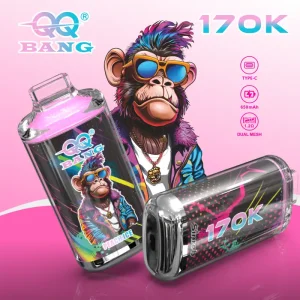
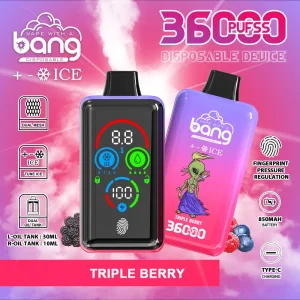
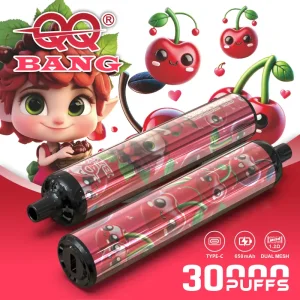
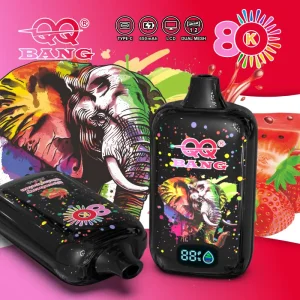
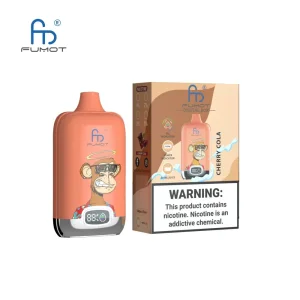
Below is the secondary product portfolio, illustrating advanced engineering integrations such as high-puff atomization capacity, multi-flavor selection chambers, biometric lock systems, and crystal-aesthetic chassis designs available for private-label customization and wholesale export.
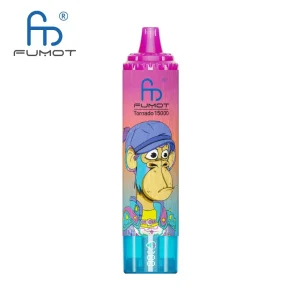
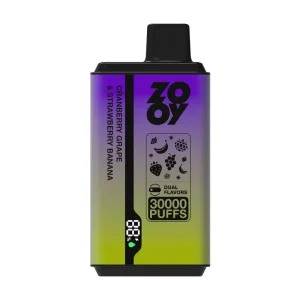
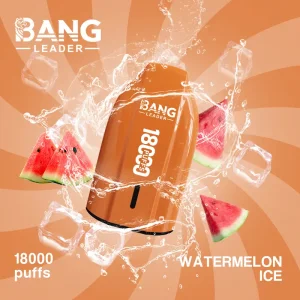
Addressing key operational, regulatory, and technical inquiries raised by international procurement managers during factory auditing and vendor selection.
Vaping systems represent a unique convergence of electronic power delivery, heating elements, and e-liquid containment. Unlike standard consumer electronics, CE compliance for atomizers mandates stringent verification under the Electromagnetic Compatibility Directive (EMC 2014/30/EU), Low Voltage Directive (LVD 2014/35/EU), and battery cell integrity standards (EN 62133). Furthermore, materials in contact with e-liquids and vapor must comply with RoHS heavy-metal restrictions and REACH chemical safety standards to guarantee that non-toxic vapor aerosol generation occurs without chemical leaching or thermal plastic off-gassing.
Factory audits prioritize four core technical dimensions: First, cleanroom standard compliance (typically Class 100,000 particulate control for e-liquid filling and pod sealing). Second, automated battery testing protocols, including internal resistance grading, charge-discharge thermal tracking, and spot-welding tensile testing. Third, negative pressure altitude simulation testing to eliminate air-freight leakage. Fourth, end-of-line (EOL) automated testing utilizing artificial puff simulators to verify airflow sensor sensitivity and resistance values across 100% of finished units.
Advanced multi-flavor devices utilize physically isolated internal e-liquid reservoirs paired with dedicated pneumatic air-channels. Switching between flavor profiles is controlled by a mechanical rotary airflow valve or an electronic micro-solenoid valve that redirects intake air exclusively through the selected pod chamber. This isolation prevents e-liquid cross-bleeding and ensures flavor purity across extended operational lifespans of up to 110,000+ puffs.
Tier-1 CE-certified vaping devices feature an integrated Battery Management System (BMS) micro-chipset. This protective circuit provides five essential hardware protections: (1) Overcharge Voltage Cut-off, (2) Over-discharge Current Protection, (3) Short-circuit Auto-Shutdown, (4) Over-heat Thermal Throttle, and (5) Over-puff Auto-Cutoff (typically set at 8–10 seconds per inhalation). Combined with pure cobalt or high-grade lithium-polymer cells, these mechanisms prevent thermal runaway and maintain stable power delivery over hundreds of recharge cycles.
Enterprise buyers can fully customize: (1) Chassis Industrial Design (aluminum alloy extrusion, double-injection molded acrylic, soft-touch leather finishes), (2) Atomization Specs (mesh coil resistance ranging from sub-ohm 0.6Ω up to MTL 1.2Ω), (3) HMI Interface (custom UI animations, LED screen sizing, battery/oil indicator icons), (4) Nicotine Formulations (0%, 2%, 3%, 5% nicotine salt concentrations tailored to regional legal limits), and (5) Customized Outer Packaging with full regulatory compliance artwork and localized warning statements.
Vaping hardware containing integrated lithium-ion batteries is classified under UN3481 (Lithium-ion batteries contained in equipment). Specialized manufacturers provide comprehensive export documentation, including UN38.3 test reports, Material Safety Data Sheets (MSDS), and Air/Sea Transport Identification Certificates. Goods are packaged using certified inner battery isolation boxes and anti-static outer master cartons that comply with IATA DGR and IMO IMDG dangerous goods logistics standards.