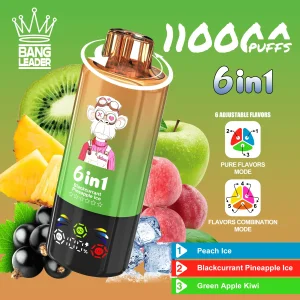
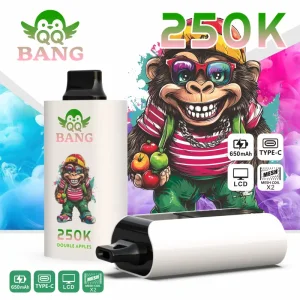
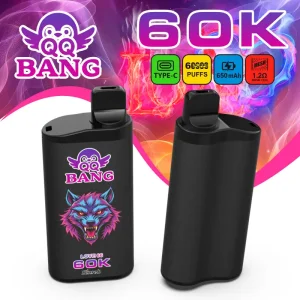
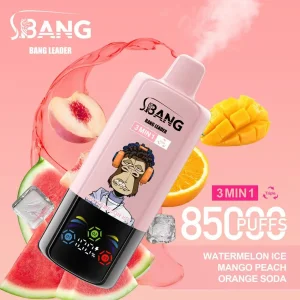
Featured high-puff disposable vapes engineered with mesh dual-coil architecture, adjustable voltage systems, and multi-flavor switching mechanisms.
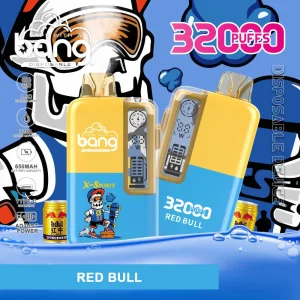
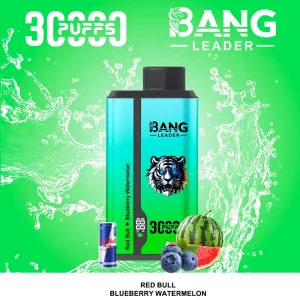
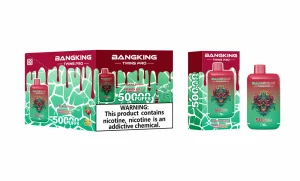
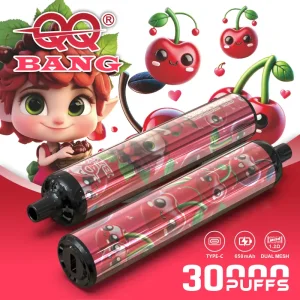
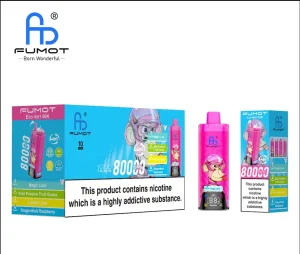
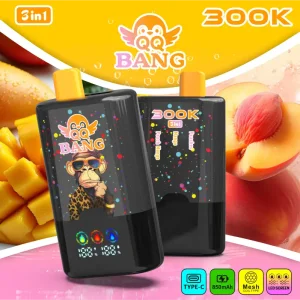
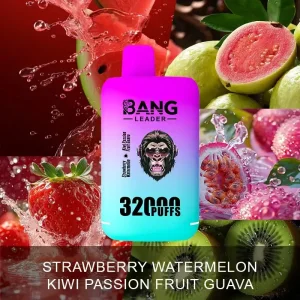
An executive overview of the global electronic nicotine delivery systems (ENDS) manufacturing sector, cost engineering dynamics, and direct-from-factory OEM procurement models.
The consumer vape market has undergone a dramatic structural shift. Traditional 600-to-2,000 puff disposables are being rapidly superseded by high-capacity systems offering 30,000 to over 250,000 puffs. This transition is driven by consumer demand for unit-cost efficiency, rechargeable Type-C lithium batteries, and multi-flavor switching capabilities housed in single ergonomically designed hardware bodies.
In B2B wholesale vocabulary, "cheap disposable pod factories" refers not to inferior quality, but to optimized economies of scale and direct factory-gate pricing. By integrating precision mold making, automated SMT board soldering, automated e-liquid filling, and in-house silicon sealing in key manufacturing hubs like Dongguan, factories eliminate intermediary markups, yielding up to 45% cost savings for global brand owners.
Over 85% of the global vapor production capacity is concentrated within the Pearl River Delta. Facilities like Dongguan Hongruida Technology feature over 300 skilled technicians, medical-grade ISO cleanrooms, and automated production pipelines producing over 5 million units monthly. Sourcing directly from this cluster ensures supply chain elasticity and immediate raw material availability.
A comprehensive technical breakdown of structural components, heat transfer dynamics, circuit design, and multi-chamber leakproof engineering.
Modern high-puff vapes rely on sub-ohm mesh coils engineered with alloy heating grids (typically Kanthal A1 or Ni80). Mesh structures increase the liquid contact surface area by 300% compared to traditional spiral wire coils. By utilizing alternating dual-coil firing circuits, hardware platforms maintain balanced thermal output, preventing cotton saturation degradation, scorched dry hits, and flavor decay across 30,000+ puffs.
Innovations like 2-in-1, 4-in-1, and 6-in-1 flavor disposable pods require complex multi-tank isolation mechanics. Independent food-grade PCTG liquid chambers prevent cross-flavor diffusion. Each reservoir is paired with dedicated airflow channels and dynamic directional valves, enabling seamless flavor switching via rotating mouthpieces or digital electronic toggles without cross-contamination.
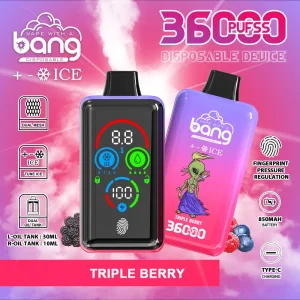
To comply with evolving international safety directives and satisfy user demand for telemetry, modern pods incorporate custom Printed Circuit Board Assemblies (PCBA). Features include real-time TFT/LED displays indicating precise e-liquid percentage and battery level, step-less variable wattage adjustment, and biometric fingerprint child safety locks to restrict unauthorized access.
E-liquid leakage remains the primary structural cause of device failure in international shipping and consumer usage. Leading original equipment manufacturers deploy a 5-layer anti-leakage matrix: medical-grade silicone O-rings, labyrinthine airflow absorption chambers, bottom condensate collector sponges, ultrasonic tank welding, and negative-pressure testing during assembly.
| Engineering Metric | Standard Disposable Vape (Legacy) | Advanced Factory Pod System (2026 Standard) |
|---|---|---|
| Puff Range | 600 - 5,000 Puffs | 30,000 - 300,000 Puffs |
| E-Liquid Capacity | 2.0ml - 10.0ml | 30ml - 90ml (Multi-Tank Isolated) |
| Atomization Core | Single Wire Coil / Standard Mesh | Dual / Quad Sub-Ohm Mesh Matrix (0.6Ω - 1.0Ω) |
| Power Supply | Non-rechargeable (400mAh) | Pure Cobalt 650mAh - 1000mAh Type-C Fast Charge |
| User Interface | Single LED Indicator Light | HD TFT Color Screen / Real-time Liquid & Power Meter |
| Flavor Switchability | Single Static Flavor | 2-in-1, 4-in-1, 6-in-1 Flavor Selector Systems |
| Security Controls | None / Basic Pneumatic Switch | Biometric Fingerprint Lock & Child Safety Protection |
How established disposable pod manufacturers ensure international regulatory alignment, safety certifications, and batch-level traceabilty for wholesale importers.
Navigating the EU Tobacco Products Directive (TPD) and UK MHRA frameworks requires stringent testing. Premium factories provide full TPD-compliant technical dossiers, emissions testing reports (covering carbonyls, heavy metals, and nitrosamines), and compliant packaging design (child-resistant tactile warnings, drop-testing compliance, and health warning text localization).
Lithium-ion cells represent a high-liability component. Reliable pod factories utilize pure cobalt batteries equipped with integrated safety protection circuits (over-charge, short-circuit, and over-discharge protection). Products undergo rigorous UN38.3, MSDS, CE, RoHS, and IEC 62133 testing to ensure smooth international air and sea freight customs clearance.
E-liquid formulation strictly utilizes USP-grade Vegetable Glycerin (VG), Propylene Glycol (PG), high-purity pharmaceutical nicotine salts, and food-grade natural flavor compounds. Batch consistency is verified using Gas Chromatography-Mass Spectrometry (GC-MS) analysis inside ISO Class 8 cleanroom mixing facilities.
Tailored OEM strategies and localized logistics infrastructure supporting wholesale distributors across distinct geographic regulatory landscapes.
Key European markets—such as Germany, Spain, Slovenia, and Croatia—demand high reliability and localized inventory stock. Leading pod exporters maintain strategic bonded regional warehouses in Germany and Spain, allowing 48-hour fulfillment, reduced transit risk, and flexible payment terms for local distribution networks.
Across the Americas, high-capacity, heavy-cloud disposable pod systems command market dominance. Distributors rely on factory partners capable of delivering customized nicotine salt strengths (0% to 5%), robust mechanical housing designs that resist high-altitude transport leakage, and rapid mass-production throughput.
In high-temperature climates, vape hardware experiences extreme thermal stress. Specialized manufacturing methods employ high-temp silicon seals, heat-resistant chassis materials, and enhanced battery thermal management systems to preserve e-liquid viscosity and device operation in regional climates.
A strategic projection of forthcoming engineering trends, sustainability imperatives, and smart hardware convergence over the next decade.
Environmental regulations are pressing the hardware industry toward circular design principles. Future disposable pods will adopt post-consumer recycled (PCR) plastics, biodegradable Polylactic Acid (PLA) outer casings, and modular quick-release battery housing designed for automated disassembly and recycling at municipal waste plants.
Moving beyond metallic wire mesh coils, R&D labs are developing micro-electromechanical system (MEMS) ultrasonic atomization chips. Ultrasonic technology vaporizes e-liquid through high-frequency kinetic vibration without localized high-temperature heating, drastically reducing thermal degradation byproduct creation while extending flavor authenticity.
The convergence of Bluetooth Low Energy (BLE) microcontrollers into pod systems will allow adult users to monitor precise daily nicotine consumption, adjust puff intensity curves via smartphone interfaces, activate localized geo-fencing safety locks near school zones, and securely update device firmware over-the-air (OTA).
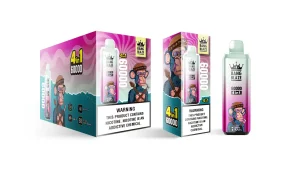
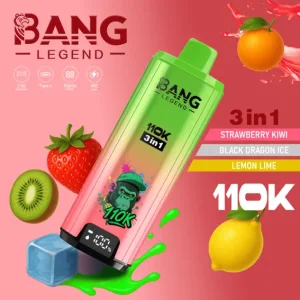
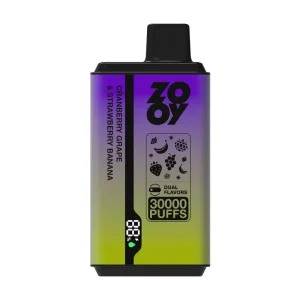
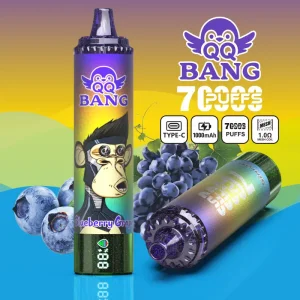
Explore our extended portfolio of multi-spec, high-capacity disposable pod devices ready for private label OEM branding and international fulfillment.
Essential guidance for commercial buyers, importers, and brand owners evaluating disposable pod suppliers, technical specs, and shipping protocols.