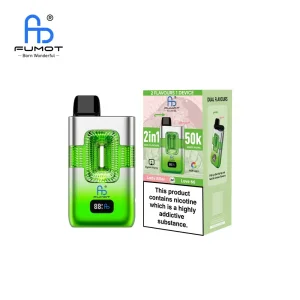
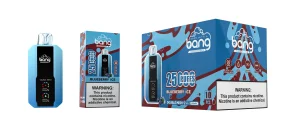
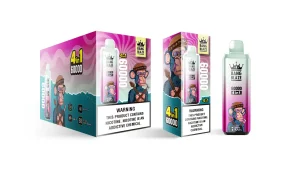
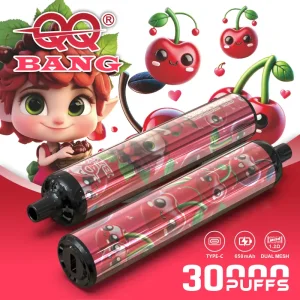
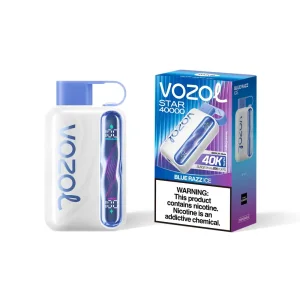
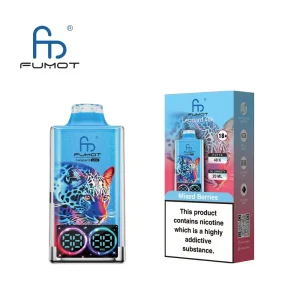
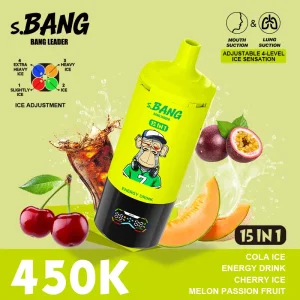
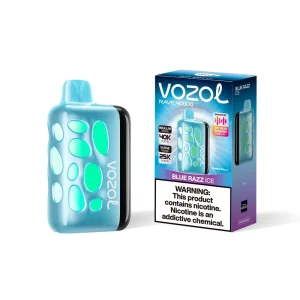
The global electronic nicotine delivery systems (ENDS) sector has transitioned into a highly sophisticated, technology-driven hardware eco-system. For B2B importers, master distributors, and retail chain operators, navigating the term "Cheap Disposable Vaping Supplier & Factory" requires distinguishing between low-cost substandard manufacturing and high-efficiency direct-factory production economics. True cost efficiency in modern vape manufacturing is achieved not through cutting corners on safety, but through structural component engineering, automated high-speed liquid filling line integration, localized supply chain cluster synergy (primarily concentrated in Dongguan and Shenzhen), and scalable volume production.
As consumer preferences pivot dynamically toward high-capacity puff devices featuring multi-flavor switching mechanisms, interactive digital battery/oil level telemetry, and adjustable MCU power modes (ranging from 15K to over 250K puffs), the procurement landscape demands factory partners with robust engineering capabilities and regulatory foresights. Low unit prices must be matched by strict quality management systems (QMS) to protect brand equity and avoid cost-devastating batch recalls or customs seizures.
Modern high-capacity disposable devices are complex electromechanical assemblies. Cheap unit pricing is made possible through automated precision engineering rather than structural compromises. Key technological pillars powering current OEM/ODM production include:
Understanding the operational and cost differences between direct factory partnerships and regional wholesale trading companies is essential for scaling a compliant vape enterprise.
| Evaluation Metric | Direct Precision OEM/ODM Factory | Third-Party Wholesale Broker | Commercial Impact on Importers |
|---|---|---|---|
| Unit Cost Structure | Baseline Factory Gate Price (FOB) | 15% - 40% Broker Markup | Direct factory sourcing maximizes gross profit margins up to 50%. |
| Quality Assurance & Testing | In-house Automated Batch Testing (ISO9001) | Visual inspection / non-standardized | Prevents batch DOA (Dead on Arrival) issues & shipping leaks. |
| Customization (OEM/ODM) | Full structural, flavor, artwork & screen MCU control | Limited to simple outer box sticker branding | Enables complete brand differentiation in saturated retail markets. |
| Regulatory Documentation | Direct TPD, CE, RoHS, SDS, UN38.3 test reports | Secondary or missing compliance paperwork | Mitigates risk of customs seizure and regulatory fines. |
| Supply Chain Lead Time | 7 - 15 Days Direct Production Schedule | Subject to broker inventory holding delays | Ensures predictable inventory turnover and out-of-stock prevention. |
Entering international vape distribution demands precise alignment with regional regulatory authorities and consumer usage patterns. A top-tier factory partner adapts device architecture to meet local legal requirements without sacrificing user experience.
Compliance under the Tobacco Products Directive (TPD) requires strict 2ml tank volume caps and maximum 20mg/ml nicotine concentrations for standard retail products. However, high-puff disposable demand has led to innovative modular designs, zero-nicotine big-puff SKUs, and EU warehouse localized distribution networks (e.g., direct dispatch from Germany or Poland hubs) to streamline logistics while adhering to regional import documentation standards.
North American markets favor high-capacity devices (ranging from 20,000 to over 250,000 puffs) equipped with smart screens, adjustable wattage modes, and lower nicotine options (e.g., 2% to 5% salt nicotine). Compliance focuses on battery safety certifications (UL standards), robust child-resistance features, and synthetic nicotine purity verifications.
In the CIS and Middle Eastern regions, consumer demand skews heavily toward Shisha/Hookah profile airflow devices with ultra-large liquid reservoirs (up to 30ml+), intense flavor profiles (sweet, mint, ice matrixes), and bold futuristic hardware designs with LED lighting displays.
Partnering with an established manufacturing facility involves a structured, transparent 6-stage engineering and assembly protocol to ensure strict production consistency: