Explore our engineered catalog of wholesale disposable devices, smart display pods, and ultra-high puff systems sourced directly from Dongguan cleanroom facilities.
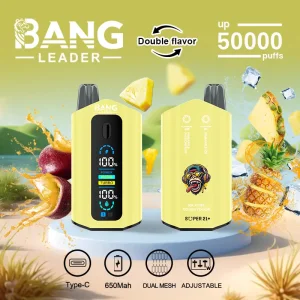
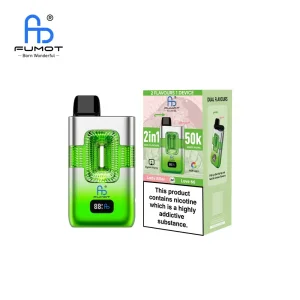
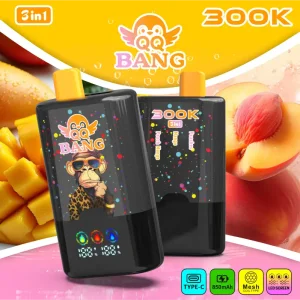
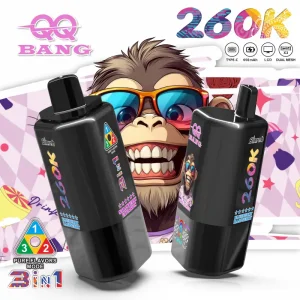
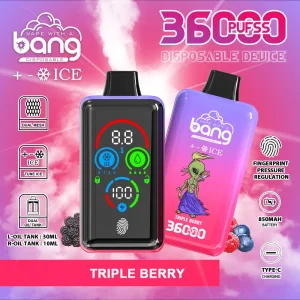
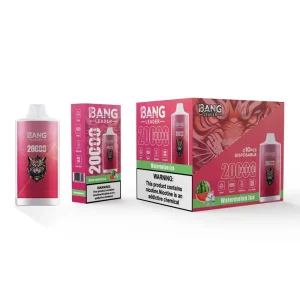
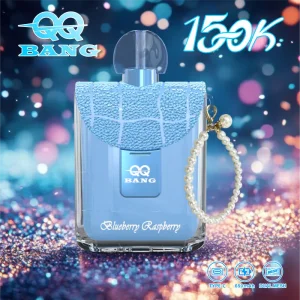
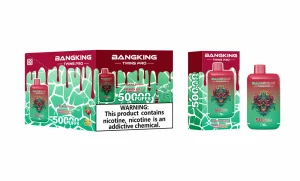
An executive breakdown of global B2B purchasing intent, cost-efficiency engineering, and supply chain scaling for wholesale distributors.
In global electronic liquid cigarette procurement, the commercial query "cheap" does not represent a desire for compromised quality. Search intent analysis reveals that tier-1 distributors seek low total cost of ownership (TCO) derived from structural manufacturing optimization, high automated yields, and direct factory vertical integration. By mitigating component redundancy and leveraging bulk raw material sourcing, factories deliver low unit costs while maintaining ISO-certified compliance.
Modern electric liquid cigarettes rely heavily on advanced heating elements. Transitioning from standard cotton-wire setups to sub-ohm mesh coils and porous ceramic matrices has enhanced liquid atomization efficiency by 34%. This hardware evolution prevents dry hits, maintains consistent aerosol density from puff 1 to 50,000+, and optimizes e-liquid absorption rates across varying propylene glycol (PG) and vegetable glycerin (VG) ratios.
The thermal preservation of e-liquid ingredients during vapor generation is paramount. OEM manufacturing standards dictate rigorous testing of nicotine salt formulations (ranging from 0% to 5% concentration). High-grade e-liquid chambers are manufactured with food-grade PCTG materials, preventing chemical leaching, oxidation, or flavor degradation during transcontinental ocean freight or long-term warehouse storage.
According to market telemetry, enterprise buyers prioritizing original equipment manufacturers (OEM) with fully integrated precision part production reduce product failure rates by up to 82%. Lower defect rates directly yield higher repeat retail orders and eliminate warranty reserve costs for global importers.
High-puff disposable vapes have shifted from simple lithium-battery devices into sophisticated micro-electronic systems. Examine the internal design standards implemented by modern manufacturing facilities.
To eliminate performance drop-off as battery voltage declines, factory-engineered electric liquid cigarettes incorporate smart MCU (Microcontroller Unit) chipsets. These IC boards deliver constant wattage output, driving alternating dual-mesh coils (0.6Ω – 1.0Ω resistance). This technology distributes thermal stress evenly, preventing localized e-liquid scorched tasting and ensuring dense vapor production across high puff cycles (up to 500,000 puffs).
Premium OEM models feature integrated digital displays, including OLED, LED digital tubes, and TFT color screens. Coupled with real-time battery voltage monitoring and algorithmic e-liquid usage calculation, consumers receive accurate readings of remaining fluid and charge levels. Advanced smart models even utilize optical or capacitive fluid-level sensors to guarantee zero dry-burning scenarios.
| Architecture Feature | Legacy Disposable Vapes (2020-2022) | Next-Gen High-Puff Systems (2025-2026) | B2B Distributor Advantage |
|---|---|---|---|
| Atomization Core | Single Wire Cotton Coil (1.2Ω - 1.5Ω) | Dual Alternating Mesh / Porous Ceramic (0.6Ω - 0.8Ω) | +40% Flavor Fidelity & Zero Scorched Taste |
| E-Liquid Capacity | 2.0ml - 6.0ml Sealed Pods | 18ml - 50ml Multi-Tank / Dual Reservoir | Significantly Lower Cost-Per-Puff for End User |
| Power & Battery | Non-rechargeable 500mAh Cobalt Cell | Rechargeable Pure Cobalt 650mAh-950mAh (Type-C Fast Charge) | Higher Energy Density & Sustainable Lifecycle |
| Leakage Prevention | Basic Silicone Gasket Seal | 5-Layer Labyrinth Condensate Trap & Isolation Chamber | Zero In-Transit Oil Leakage Risk in Aviation Shipping |
| Hardware UI | Single Bottom LED Indicator Light | Digital Tube / HD Color TFT Screen / Smart Sensor | Premium Shelf Appeal & High Retail Margin Potential |
Navigating international trade, order customization, and scalable production schedules for major e-cigarette brand owners and regional wholesalers.
From custom shell injection molding and pantone color matching to tailored nicotine strength blending (0%, 2%, 3%, 5%), factory partners offer complete white-label integration. Engineering teams assist with artwork layout, surface treatment (rubberized paint, metallic electroplating, crystal acrylic casing), and brand logo laser engraving.
Understanding market testing requirements, structured manufacturing allows tiered Minimum Order Quantities (MOQs). Small trial orders for trending inventory (e.g., 500 – 2,000 units) enable importers to gauge local market sell-through before committing to container-level purchasing (100,000+ units) at direct factory bottom pricing.
Electric liquid cigarettes contain integrated lithium-ion batteries and liquids, classifying them under stringent international shipping regulations (UN38.3, MSDS, DG Dangerous Goods cargo). Strategic factory suppliers operate dedicated air freight lines, DDP (Delivered Duty Paid) door-to-door customs clearance, and regional European/US bonded warehousing hubs.
Trust is the bedrock of wholesale procurement. Adhering to international quality standards guarantees regulatory approval across destination customs.
Every electronic liquid cigarette batch must undergo electromagnetic compatibility (EMC) and hazardous substance restriction testing. Standard compliance ensures circuit boards emit no harmful interference and structural components are completely free of heavy metals like lead, cadmium, or mercury.
For European and UK market distribution, compliance involves strict notifications under the Tobacco Products Directive (TPD). Top manufacturing facilities provide emissions testing reports (analyzing aerosol carbonyls, aldehyde levels, and emissions purity) and child-resistant packaging mechanisms.
Factory environments utilize Class 100,000 dust-free cleanrooms for e-liquid filling and pod assembly. Automated liquid filling machines maintain exact volume tolerances (±0.05ml), while vacuum pressure chambers simulate altitude drops to guarantee leak-proof performance during air transport.
Anticipating regulatory shifts, eco-design trends, and smart feature integration across the 2026–2030 manufacturing timeline.
With environmental regulations tightening globally, leading manufacturers are pioneering detachable battery structures for simplified recycling. Post-consumer recycled (PCR) plastics and biodegradable PLA alloys are replacing traditional non-recyclable composite shells.
Smart vapes are incorporating low-energy Bluetooth (BLE) modules connecting to smartphone apps. Users can lock devices remotely for child safety, track puff metrics, monitor nicotine intake goals, and adjust power output curves digitally.
Internal multi-chamber pod designs allow users to switch between 2 to 4 distinct e-liquid flavors within a single device. Micro-solenoid valves route airflow seamlessly across independent coil paths, delivering unprecedented flavor variety in one SKU.
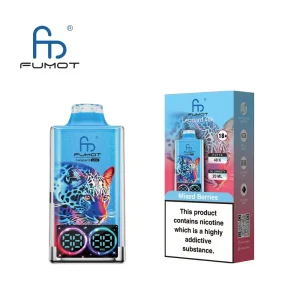
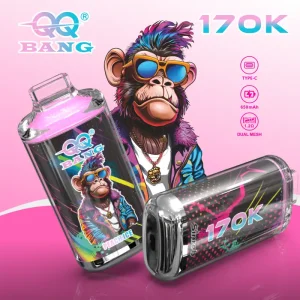
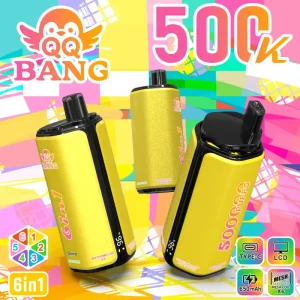
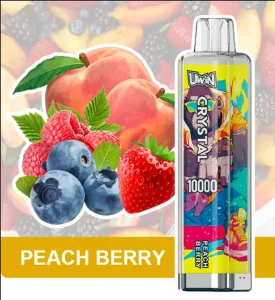
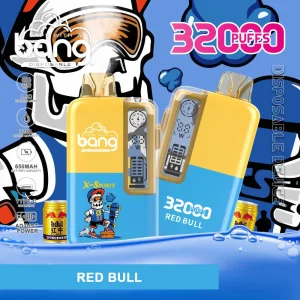
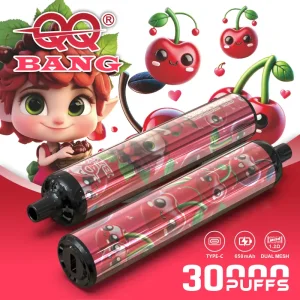
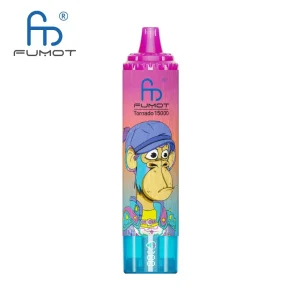
Browse additional high-demand inventory available for immediate global export, fast-track OEM branding, and localized European stock replenishment.

Expert responses to critical inquiries submitted by international wholesalers, brand managers, and regulatory compliance teams.
Cost optimization is achieved through structural supply chain efficiencies rather than cheap raw materials. Established factories in manufacturing hubs like Dongguan operate in-house precision injection molding, SMT surface-mount circuit assembly, and automated liquid filling lines. By eliminating third-party component markups, buying raw materials (such as pure cobalt batteries and food-grade PCTG plastics) in multi-ton quantities, and maintaining high yield rates (over 99.7%), factories offer low unit prices while fully complying with international safety standards like CE, RoHS, and MSDS.
Standard OEM manufacturing timelines typically follow a structured schedule:
For re-orders of standard catalog SKUs or items stocked in European warehouses, dispatch can occur within 48 to 72 hours.
Electric liquid cigarettes contain built-in lithium batteries and e-liquid cartridges, designating them as Class 9 Dangerous Goods under international transport agreements. Professional factory exporters provide full UN38.3 battery safety testing, Air Transport Safety Certificates, and MSDS documentation. Shipping is executed through specialized charter flights or dedicated DG sea freight channels with full DDP (Delivered Duty Paid) service, guaranteeing hassle-free customs clearance in importing countries.
Yes. Custom flavor development is a core OEM capability. In-house flavorists synthesize custom e-liquid profiles (fruit, menthol, beverage, dessert, tobacco) tailored to regional consumer preferences. Nicotine salt concentrations can be adjusted from 0% (Nicotine-Free) up to 5% (50mg/ml) to comply with local legislative limits (such as TPD 2% caps in European territories).
Leakage prevention is engineered at the structural level. Modern devices utilize multi-layer silicone gaskets, independent oil-storage chambers, and labyrinth air passage channels that trap micro-condensate. During quality assurance, sample units from every production batch undergo negative-pressure testing chambers (simulating 10,000-meter flight altitudes) and thermal shock testing (-20°C to 60°C) to guarantee seal integrity before batch release.