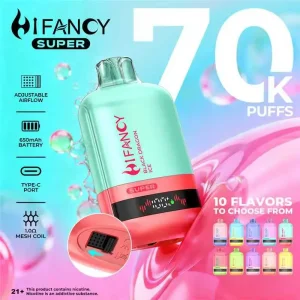
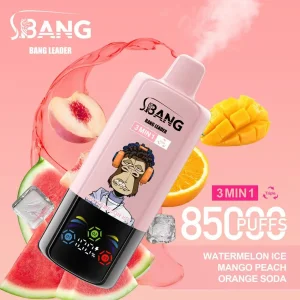
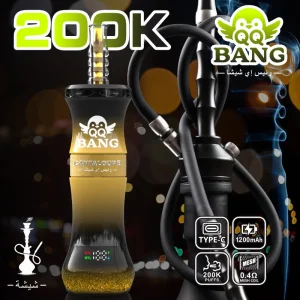
Explore our top-tier wholesale collection engineered with advanced dual mesh coils, smart telemetry displays, and premium nicotine formulation technology.
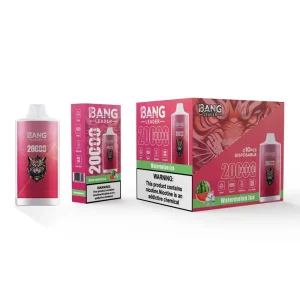
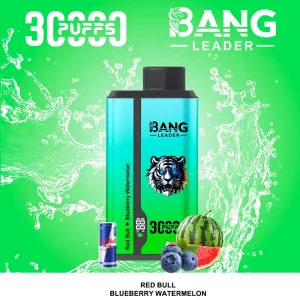
Quantifiable production capabilities driving global e-cigarette supply chains with precision, compliance, and zero-defect quality management.
An authoritative analysis of hardware innovation, fluid engineering, regulatory compliance, and international supply chain economics for global vape distributors.
The global electronic nicotine delivery systems (ENDS) landscape has undergone a monumental shift toward high-capacity, technology-integrated disposable devices. As the primary hub of global vaping hardware production, China disposable nic factories in the Pearl River Delta (specifically Dongguan and Shenzhen) account for over 90% of the worldwide supply of disposable e-cigarettes. This comprehensive whitepaper explores the structural engineering, raw material sourcing, automated assembly dynamics, and international compliance frameworks that enable leading Chinese exporters to deliver high-reliability nicotine devices to global markets.
Chinese disposable nicotine factories maintain an unassailable competitive advantage driven by hyper-dense industrial clusters. Within a 30-kilometer radius in Guangdong province, manufacturers have immediate access to specialized injection molding facilities, lithium-ion battery chemistry laboratories, precision CNC machining centers, high-grade silicon sealing molders, and chemical liquid synthesis facilities.
This geographic concentration creates unmatched supply chain efficiency. Development cycles that take 6 to 9 months in other regions are compressed into 14 to 21 days in China—from preliminary industrial design and rapid 3D prototyping to mass mold creation and automated trial production runs. Furthermore, automated optical inspection (AOI) and pneumatic leak-testing rigs are integrated directly into assembly lines, ensuring that every batch of disposable pods adheres to strict statistical quality control limits (AQL 0.4 for major functional defects).
Dedicated structural and electronic engineering teams capable of finalizing new CAD pod designs, PCB circuit board layouts, and airflow schematics within 72 hours.
Advanced computational fluid dynamics (CFD) modeling used to optimize air intake velocity, prevent condensation accumulation, and maintain stable aerosol vaporization temperatures.
Multi-stage vacuum pressure testing, extreme heat and cold climate chambers, mechanical drop testing, and automated puff-simulation machines for batch verification.
The rapid technological maturation of disposable nicotine hardware has redefined consumer expectations. Modern devices are sophisticated electronic products featuring multi-layered technological innovations:
| Technology Component | Legacy Disposable Vapes (2020-2022) | Next-Gen China Factory Standard (2026+) |
|---|---|---|
| Heating Atomizer | Single standard spiral wire coil (1.6Ω) | Dual-Mesh sub-ohm / alternating wire mesh (0.6Ω - 1.0Ω) |
| Liquid Capacity | 1.3ml – 6.0ml (300 to 1,500 puffs) | 18.0ml – 50.0ml (20,000 to 300,000 puffs) |
| Battery Power System | Non-rechargeable Grade-B Manganese batteries | Pure cobalt Grade-A cell + Type-C quick charge + smart BMS |
| Airflow & Wattage | Fixed draw resistance, single static power | Adjustable airflow valve + Variable Wattage / Turbo Boost modes |
| Status Monitoring | Single blinking bottom LED light | HD TFT color digital screens showing battery & e-liquid levels |
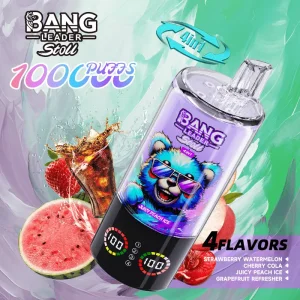
| Flavor Delivery | Single static flavor per device | 2-in-1, 3-in-1, and 4-in-1 multi-flavor switching technology |
Operating as a major exporter requires navigating complex, localized legal, technical, and consumer demands across international markets. Professional Chinese factories work closely with wholesale buyers to tailor product specs to regional regulatory standards:
The European Union & UK Market (TPD & MHRA Standard): Products bound for EU member states must adhere strictly to Tobacco Products Directive (TPD) guidelines, including maximum e-liquid tank volumes of 2ml for nicotine-containing devices, maximum nicotine concentrations of 20mg/ml, child-resistant packaging, and full notification registration in the EU Common Entry Gate (EU-CEG) portal. Exporters offer pre-filled closed pods and compliant refillable system variants alongside CE, RoHS, and TPD certification documentation.
The North American Market (FDA PMTA & Regional Guidelines): The US market prioritizes high-puff devices equipped with robust child safety mechanisms (such as 3-click lock buttons or biometric fingerprint sensors), detailed ingredient disclosures, and heavy-metal testing protocols (covering Lead, Arsenic, Cadmium, Nickel, and Chromium content in aerosol emissions).
Middle East, Latin America & Emerging Verticals: In regions where high nicotine strength (50mg/ml) and direct-to-lung (DTL) vapor production are highly favored, factories manufacture heavy-duty devices with specialized shisha-style wide-bore mouthpieces, enlarged liquid tanks, and enhanced heat-dissipation structural shells.
For international importers, brand owners, and retail chain operators looking to establish their proprietary brand equity, partnering directly with a qualified Chinese disposable nicotine factory provides a seamless, end-to-end turnkey solution:
Over 300 pre-tested master e-liquid flavor recipes (fruity, menthol, dessert, tobacco, beverage) engineered with premium food-grade PG/VG ratios and imported flavor concentrates for long shelf life and consistent taste.
Bespoke ergonomic exterior shapes, surface finishes (leather wrap, gradient metallic plating, crystal clear acrylic, soft-touch rubberized paint), laser etching, and custom packaging graphic design.
Programming custom boot logos, UI animation graphics, wattage output curves, and battery protection protocols into the integrated microcontroller unit.
Comprehensive testing reports (MSDS, UN38.3 for lithium battery safety, CE, RoHS) combined with specialized air and maritime battery-goods logistics offering door-to-door (DDP) customs clearance.
Direct factory supply lines for fast-moving consumer SKUs, multi-flavor innovation devices, and European local stock inventory.
How direct integration with a certified Chinese manufacturer eliminates distributor friction, lowers total cost of ownership (TCO), and secures supply chain resilience.
Traditional trading intermediaries often mix stock from unverified workshops, leading to high defect rates (leakage, dead batteries). Direct factory sourcing guarantees 100% automated inline pressure and circuit testing on pure cobalt batteries.
To mitigate long maritime shipping timelines (30-45 days), we maintain bonded warehouse hubs in Germany and Spain, enabling European wholesale clients to receive palletized shipments within 3 to 5 business days.
Eliminate middleman markups. Direct wholesale procurement provides tiered scale pricing, lowering per-unit FOB cost while maximizing retail profit margins across high-capacity 20,000+ puff categories.
In-depth technical, operational, and logistical guidance for global importers, brand managers, and wholesale buyers sourcing from China.
Sourcing directly from a primary manufacturer in China offers major advantages in cost, technical compliance, and product iteration. Chinese factories house the entire value chain in-house—including industrial design, PCB surface-mount technology (SMT), plastic injection molding, automated liquid filling, and cleanroom assembly. By bypassing trading companies, wholesale buyers achieve 20% to 35% cost savings, gain direct access to OEM/ODM custom branding, and ensure strict batch consistency verified by factory-level ISO9001 and GMP quality control standards.
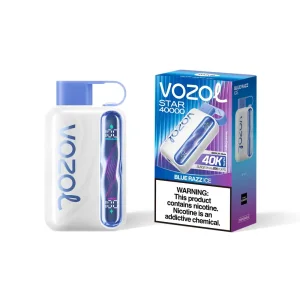
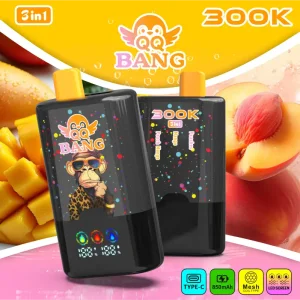
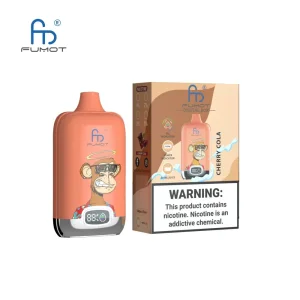
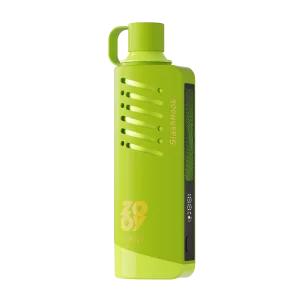
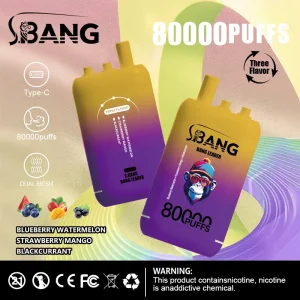
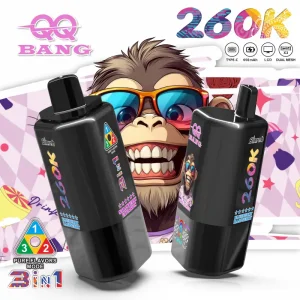
For standard factory-ready inventory (in-stock brands such as Bang, Vozol, Fumot, or QQ Bang), minimum order quantities start as low as 50 to 100 units per flavor. For customized OEM/ODM projects involving private label branding, custom logo engraving, unique colorways, tailored e-liquid formulations, and custom box packaging, the typical MOQ is 1,000 to 3,000 units per flavor model, depending on structural hardware requirements.
Leakage during air freight is primarily caused by atmospheric pressure drops. Leading Chinese factories prevent this through a multi-barrier anti-leakage architecture: 1) Medical-grade silicone isolation plugs that separate e-liquid from the heating chamber until activated by the consumer; 2) Independent condensation trapping zones; 3) Vacuum chamber testing on 100% of finished pods before shipping; 4) Sealed food-grade aluminum foil pouch wrapping to preserve flavor purity and prevent oxidation for up to 24 months.
Because disposable vapes contain integrated lithium-ion batteries, international transport regulations (IATA for air freight and IMO for ocean shipping) require strict safety documentation. Qualified Chinese exporters provide full testing suites, including UN38.3 (lithium battery transport safety testing), MSDS (Material Safety Data Sheets), IEC 62133 safety compliance, and CE / RoHS certifications for European port entry.
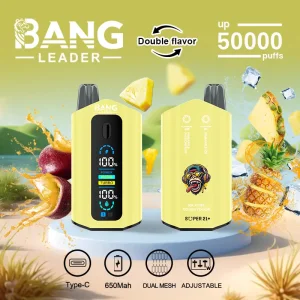
Single mesh coils utilize one continuous heating surface, which works well for lower puff counts (under 10,000 puffs) but can suffer from heat fatigue and flavor degradation in high-volume devices. Dual mesh coil technology incorporates two independent heating elements driven by a smart chipset. In "Regular Mode," the coils alternate pulses, giving each coil time to cool and re-saturate with e-liquid, preserving pure flavor across 20,000 to 300,000 puffs. In "Boost Mode," both coils fire simultaneously, doubling vapor density and throat hit intensity.
Exporting disposable vapes requires specialized customs experience. Professional exporters partner with dedicated international logistics providers offering DDP (Delivered Duty Paid) service options. Under DDP terms, the exporter manages export customs declaration in China, air/sea freight transport, import customs clearance in the destination country, and payment of local import taxes/duties, delivering goods directly to the client's commercial warehouse address without hassle.
Yes. E-liquid formulation is fully customizable during OEM production. Factories routinely formulate e-liquids at 0% (nicotine-free), 2% (20mg/ml - compliant with TPD standards), 3% (30mg/ml), and 5% (50mg/ml synthetic or tobacco-derived nicotine salts) depending on the target market regulatory mandates and buyer specifications.