Explore top-performing vaping platforms manufactured in Dongguan and Shenzhen, designed for optimal e-liquid delivery, dual-mesh coil longevity, and regulatory precision.
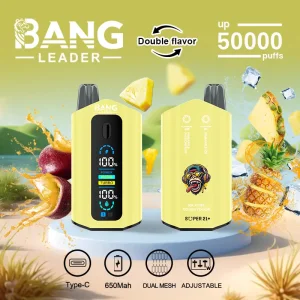
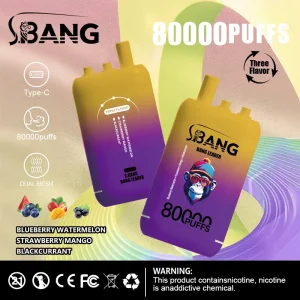
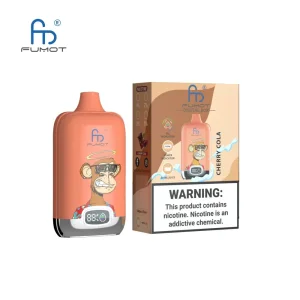
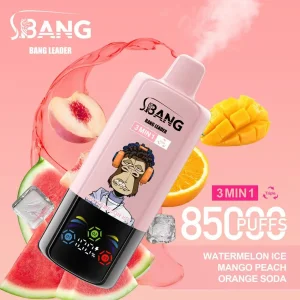
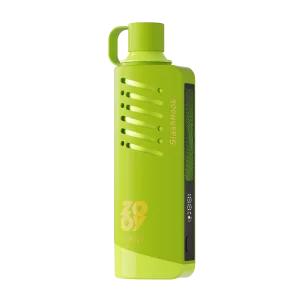
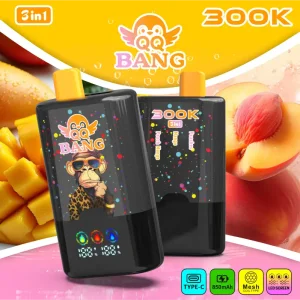
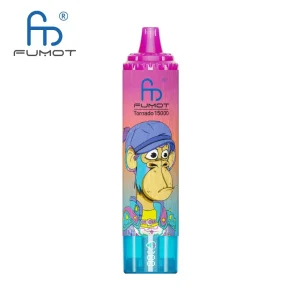
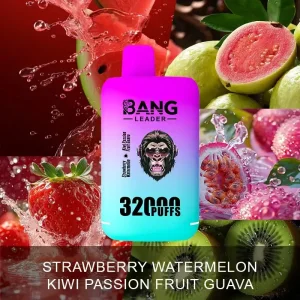
China accounts for over 90% of the world’s vapor technology output. As global regulatory requirements converge on chemical safety and traceability, Chinese e-liquid exporters have evolved from simple bulk mixers to sophisticated biochemical research institutes.
The concentration of raw material synthesis, precision glasswork, analytical chemistry, and automated filling lines in the Pearl River Delta enables unprecedented turn-around times. High-efficiency supply integration allows Chinese exporters to deliver customized e-liquid formulations with zero latency between flavor creation and mass container shipping.
Leading Chinese exporters leverage High-Performance Liquid Chromatography (HPLC) and Gas Chromatography-Mass Spectrometry (GC-MS) to guarantee chemical purity exceeding 99.5%. USP-grade Propylene Glycol (PG) and Vegetable Glycerin (VG) form the base matrix, ensuring zero heavy metal or unwanted chemical residues in vaporized emissions.
Current industrial solutions focus heavily on toxicological profiles. By minimizing thermal breakdown products such as acrolein, formaldehyde, and volatile organic compounds (VOCs) under high-wattage mesh coil heating, Chinese exporters provide safer alternatives that conform strictly to European TPD and US PMTA directives.
Global e-liquid importers, brand owners, and vape store networks require tailored solutions ranging from bulk concentrated liquid drums to fully integrated pre-filled disposable vape systems.
Enterprise procurement generally falls into two core intent buckets:
A major friction point in B2B procurement is coil-wicking mismatch. Modern high-capacity vapes utilize sub-ohm mesh structures (0.6Ω to 1.0Ω) requiring precise PG/VG ratio adjustments:
| Procurement Category | Nicotine Options | Coil Compatibility | Viscosity Index | Primary Regulatory Certifications |
|---|---|---|---|---|
| Nicotine Salt Bulk Liquids | 20mg/ml, 35mg/ml, 50mg/ml (Benzoate / Lactate / Levulinate) | 1.0Ω - 1.2Ω Ceramic / Fine Mesh | 50VG / 50PG | CE, RoHS, REACH, TPD Technical Dossier, SDS |
| Freebase E-Liquid Series | 3mg/ml, 6mg/ml, 12mg/ml USP Grade | 0.2Ω - 0.6Ω Dual Mesh Sub-Ohm | 70VG / 30PG or 80VG / 20PG | FDA PMTA Baseline Assay, ISO 9001, SDS |
| Synthetic Nicotine (Tobacco-Free) | Custom ratios (S-isomer purity >99%) | Universal Pod Systems & Disposables | Customizable Matrix | GMP Cleanroom ISO 8, Toxicological Risk Assessment |
| Zero-Nicotine Sensory Liquids | 0mg/ml (Cooling Agents + WS-23 / Sweetener Matrix) | High-Wattage Multi-Flavor Tanks | 60VG / 40PG | Food Safety Regulation Compliance, Halal Certified Base |
The future of electric cigarette liquid manufacturing lies in molecular stability, optimized nicotine absorption curves, and thermal decomposition prevention.
Traditional nicotine salts predominantly rely on Benzoic Acid to lower pH levels and soften throat hit. Advanced Chinese chemical laboratories are now pioneering multi-acid formulations utilizing Lactic Acid and Levulinic Acid. Levulinic acid lowers the vaporization temperature required for nicotine release, resulting in smoother sensory experiences, less coil residue, and reduced thermal degradation byproduct formation.
To navigate stringent tobacco regulatory definitions worldwide, Chinese exporters are scaling up enzymatic and chemical synthesis of pure (S)-isomer nicotine. Synthetic nicotine eliminates naturally occurring tobacco alkaloids like Anabasine, Anatabine, and NNN/NNK carcinogens, ensuring an immaculate analytical baseline for laboratory screening.
Through collaboration with atomizer ceramic engineers, e-liquid micro-emulsion structures are tailored to yield aerosol particle sizes in the optimal 0.8 to 1.2 micron range. This precise particle size ensures optimal pulmonary deposition efficiency without irritating upper respiratory tracts, providing maximum satisfaction at lower nicotine concentration levels.
High-puff devices generating steady thermal loads over 50,000+ puffs can cause conventional flavor esters to breakdown, resulting in muted taste or harsh off-notes over time. Utilizing advanced cooling compounds like WS-23 and WS-3 coupled with heat-stabilized natural aromatic extracts, Chinese exporters guarantee flavor consistency from the 1st puff to the final drop.
Navigating international trade laws requires rigorous laboratory testing, complete documentation, and automated GMP-certified manufacturing processes.
Full notification support for European markets, including 6-month emission testing reports, toxicology assessments of ingredient degradation, and submission-ready XML files for the EU-CEG portal.
Comprehensive GC-MS and ICP-MS testing data covering target analytes (Diacetyl, Acetyl Propionyl, Heavy Metals: Pb, Cd, As, Ni) to satisfy Premarket Tobacco Application requirements for brand partners.
Production environments maintain strict airborne particulate limits, positive differential air pressure, and UV sterilization tunnels to eliminate microbiological contamination during liquid injection and capping.
Exporting chemical solutions containing nicotine requires Specialized Dangerous Goods (DG Class 9) air and ocean freight management, seamless customs clearance, and local stock holding.
To mitigate long maritime shipping times and geopolitical supply chain interruptions, top Chinese exporters maintain bonded storage facilities in major European transport hubs (including Germany, Netherlands, and Spain). Overseas buyers can access spot stock replenishment with 48-to-72-hour door-to-door delivery within the EU zone.
Nicotine solutions and integrated battery hardware require strict UN3480 / UN3481 packing certifications. Chinese export partners manage complete MSDS documentation, UN38.3 battery testing certificates, transport emergency cards, and customs declaration to guarantee smooth border clearance without detention risks.
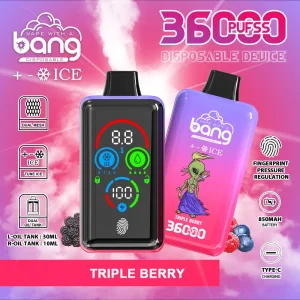
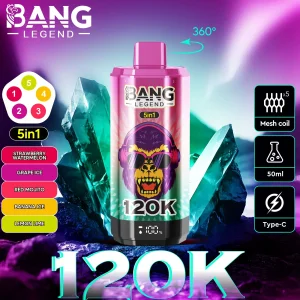
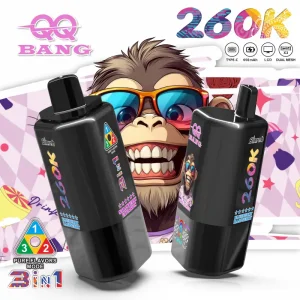
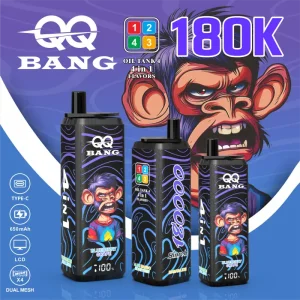
Discover our secondary portfolio of high-puff disposables, multi-flavor fusion devices, and smart screen integrated vaping systems available for bulk import and private label branding.
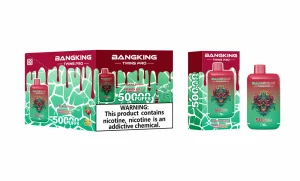
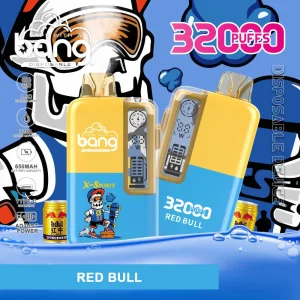
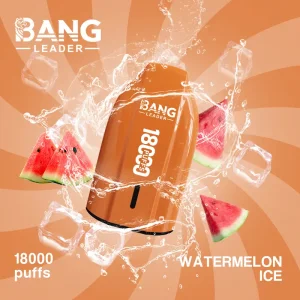
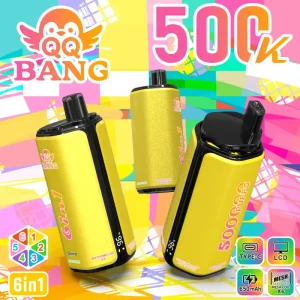
Detailed answers covering regulatory compliance, custom formulation engineering, minimum order quantities (MOQ), and shipping logistics for wholesale e-liquid buyers.
Leading Chinese e-liquid manufacturers utilize United States Pharmacopeia (USP) grade and European Pharmacopoeia (EP) grade Propylene Glycol (PG) and Vegetable Glycerin (VG) with purity indices exceeding 99.7%. Nicotine salts and freebase extracts undergo multi-stage distillation to achieve greater than 99% purity, certified free of tobacco-specific nitrosamines (TSNAs) and heavy metals.
Exporters provide full technical dossiers, including full ingredient CAS number disclosure, quantitative aerosol emissions testing (for carbonyls, VOCs, and heavy metals under ISO 17025 accredited laboratory standards), toxicological risk assessments (TRA), and 6-month stability test data required for TPD EU-CEG portal submission and FDA PMTA baseline filing.
Yes. Custom chemical engineering is a core service. Buyers can specify exact PG/VG ratios (e.g., 50/50, 60/40, 70/30) based on target device coil resistance. Furthermore, flavor laboratories can adjust the nicotine salt acid matrix—utilizing Benzoic, Lactic, or Levulinic acids—to dial in exact throat-hit intensity, absorption speed, and thermal stability profiles.
For standard spot-inventory devices or pre-filled pod systems stocked in European or Chinese warehouses, MOQs start as low as 50 to 100 units. For custom OEM/ODM e-liquid formulations or private-label bottling, MOQs typically range from 5,000 to 10,000 units per flavor depending on packaging complexity and nic-salt concentration requirements.
Exporters utilize multi-layer sealing architecture, including ultrasonic oil cup sealing, vacuum pressure differential testing during QC, silicon isolation plugs, and secondary blister-seal packaging. Pre-filled devices undergo simulated altitude pressure testing (-0.8 bar) to ensure total leak resistance during long-haul air shipping.
Properly formulated e-liquids sealed in nitrogen-purged amber bottles or airtight pod reservoirs have a shelf life of 24 months from the manufacturing date. Stock should be stored in cool, dark environments away from direct sunlight and temperatures exceeding 25°C to prevent oxidation of nicotine and flavor profile degradation.