The global electronic vaping instrument sector has experienced a profound paradigm shift towards high-capacity, smart-interactive, and multi-flavor disposable vape pods. At the center of this industrial transformation are the China Happ Bar factories and companies located predominantly within the Pearl River Delta atomization technology cluster (Shenzhen and Dongguan). As global consumer preferences migrate from low-puff disposables toward sophisticated long-lasting architectures, OEM/ODM manufacturers have integrated advanced micro-electronics, automated liquid injection systems, and precise airflow control mechanisms.
Original Equipment Manufacturers (OEM) and Original Design Manufacturers (ODM) producing Happ Bar, Bang Series, Vozol, and RandM compatible hardware have established rigorous engineering standards. Modern factories operate ISO 9001 certified cleanrooms, utilizing robotic assembly lines to guarantee batch-to-batch consistency. For global wholesalers, enterprise procurement heads, and brand owners, navigating China's Happ Bar supply landscape requires a comprehensive understanding of core structural innovations, battery management integrated circuits (BMS ICs), flavor stability preservation, and strict international regulatory compliance frameworks including TPD (Tobacco Products Directive) and CE certifications.
Direct factory supply of high-volume atomizers equipped with smart displays, multi-tank switching, and rechargeable cobalt battery cells.

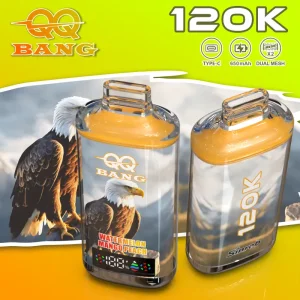
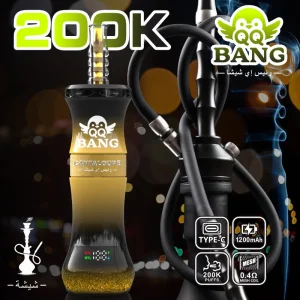

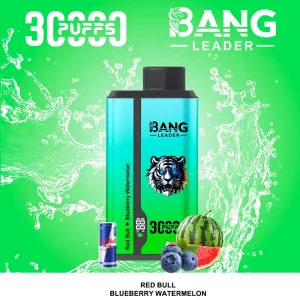
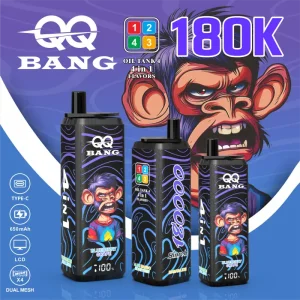
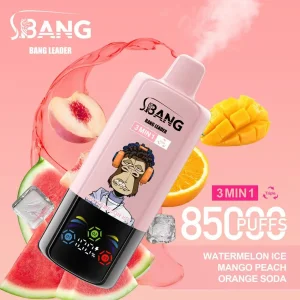
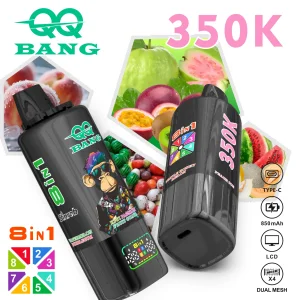
China's vaping manufacturing ecosystem combines vertical supply chain integration with cutting-edge micro-electronics engineering to lower total procurement costs and maintain product superior quality.
Direct factory integration minimizes intermediate markups. Chinese production hubs source raw materials, silicon seals, lithium batteries, and heating wires locally, reducing lead times for custom production cycles to 10-15 days.
Leading Happ Bar factories utilize advanced dual-mesh heating coils with resistance levels calibrated between 0.6Ω and 1.0Ω. This guarantees rapid e-liquid vaporization, preventing dry hits even down to the final drop of 36ml+ e-liquid reservoirs.
Incorporating TFT HD color screens and smart digital tubes, modern devices display real-time battery percentages and exact remaining e-liquid volume, enhancing consumer trust and driving repeat retail sales.
Utilizing multi-layer silicone gaskets, oil-coil separation (OCS) technology, and condensation collection basins, defect leakage rates are controlled under 0.02% during international air transport and high-altitude shipment.
Factories adhere to strict compliance frameworks including CE, RoHS, FCC, TPD, MSDS, and UN38.3 battery transport standards, facilitating seamless customs clearance for global importers across Europe and the Americas.
Comprehensive branding customization options: custom exterior shell electroplating, leather wrapping, custom flavor formulation with premium food-grade PG/VG ratios, and personalized retail box packaging design.
The disposable vaporizer market in China has transitioned beyond basic single-flavor stick devices into ultra-high capacity electronic atomizers. OEM factories have introduced multi-chamber systems (2-in-1, 4-in-1, and 6-in-1 flavor switching) equipped with air-flow toggle valves. This structural breakthrough allows consumers to switch between multiple complementary e-liquid flavors using a single device without cross-contamination.
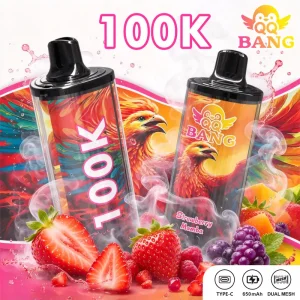
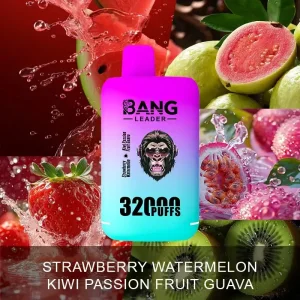
In high-capacity models ranging from 30,000 to 350,000 puffs (such as the Bang Leader and QQ Bang series), e-liquid is partitioned into independent poly-carbonate storage chambers. Each chamber is paired with an independent mesh atomization core powered by a central Microcontroller Unit (MCU). The MCU dynamically shifts output wattage—alternating between Normal Mode (10W-14W) and Turbo/Boost Mode (18W-28W)—depending on user preference.
High-puff devices require reliable power retention across multiple recharge cycles. Modern Happ Bar suppliers equip devices with 650mAh to 850mAh pure-cobalt Grade-A rechargeable lithium batteries, paired with Type-C fast charging ICs featuring overcharge, short-circuit, and thermal runaway protection.
| Structural Component | Traditional Single Disposable | Next-Gen Happ Bar Architecture | B2B Enterprise Benefit |
|---|---|---|---|
| Coil System | Single Wire / Basic Mesh (1.2Ω) | Dual-Mesh Parallel / Alternate (0.6Ω - 0.8Ω) | 50% enhanced vapor density & flavor longevity |
| E-Liquid Chamber | Cotton-soaked sponge chamber | Independent Visual Tank + Oil-Coil Separation | Zero leakages during transit; true flavor purity |
| Interaction Interface | Basic Bottom LED Indicator | TFT HD Screen / LCD Fuel & Battery Gauge | Premium retail positioning & higher profit margins |
| Nicotine Delivery | Standard Freebase / Basic Salt | Micronized Salt Nicotine (2%, 3%, 5%) | Smooth throat hit compliance across global markets |
Global e-cigarette procurement varies dramatically based on regional regulatory constraints, consumer vaping habits, and supply chain logistics routes. Professional Chinese manufacturing exporters structure tailored solutions for each geographic destination:
Strict compliance demands TPD notification, 2ml tank regulations for standard retail, or TPD-compliant refillable pod system configurations. Distributors often leverage local bonded EU warehouses (Germany, Poland, Spain) for rapid 24-48 hour stock replenishment.
High demand for large-capacity, high-puff devices (30K to 200K+ puffs) with bold fruit, ice, and sweet dessert profiles. Importers emphasize high wattage output, adjustable airflow, and custom private-label box packaging for wholesale chains.
Extreme climate conditions require heat-resistant battery cells and leak-proof seals capable of maintaining stability at temperatures exceeding 40°C. Popular profiles focus on intense mint, shisha-inspired double apple, and mango ice blends.
Explore precision-engineered electronic cigarettes, digital displays, and warehouse-ready stock direct from top Chinese exporters.
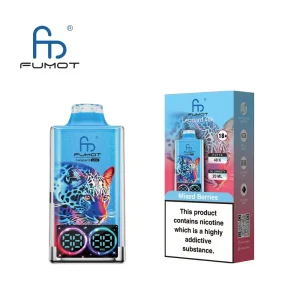
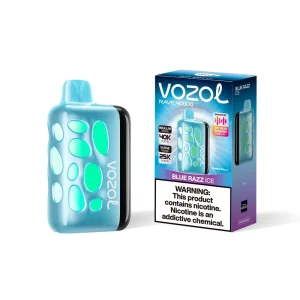
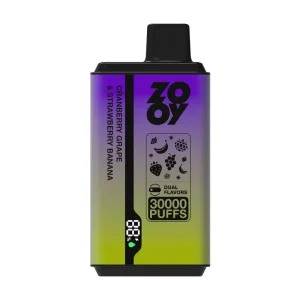
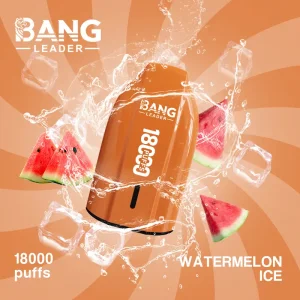
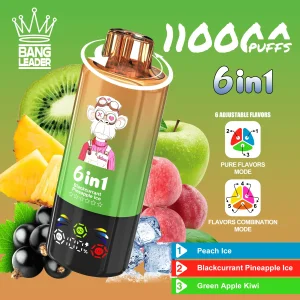
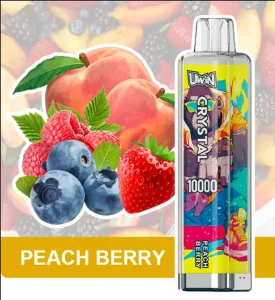
Top China Happ Bar manufacturing facilities implement rigorous quality assurance workflows before products leave the factory floor. Every batch undergoes six crucial testing phases to ensure optimal field reliability and minimize RMA return rates for enterprise buyers:
Devices are subjected to negative pressure chambers simulating high-altitude air cargo transportation (equivalent to 10,000 meters altitude) to confirm zero seal breakdown.
Hardware undergoes extreme temperature cycling (-20°C to +60°C) over 48 hours to verify structural plastic stability, silicone seal flexibility, and battery cell durability.
Pneumatic smoking machines simulate continuous suction profiles to measure e-liquid usage per puff, resistance stability, and atomization core temperature management.
Lithium cells undergo full charge-discharge cycle verification to guarantee less than 5% capacity degradation across 300 recharge cycles.
Products undergo 1.5-meter drop tests onto marble surfaces and continuous multi-axis vibration testing to ensure interior solder joints remain intact during courier handling.
GC-MS (Gas Chromatography-Mass Spectrometry) screening verifies pure nicotine concentration, heavy metal absence, and compliance with EU TPD banned substance lists.
Detailed answers regarding MOQ, OEM customization, shipping routes, defect replacement policies, and compliance documentation.