Explore our precision-engineered disposable electronic cigarette pod devices, available for direct ODM custom manufacturing and immediate warehouse dispatch across EU nodes.
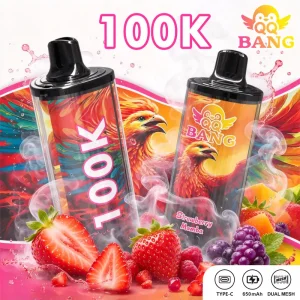
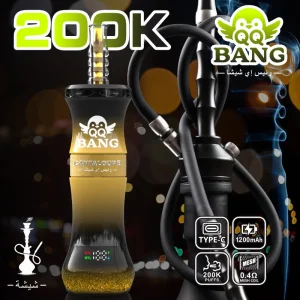
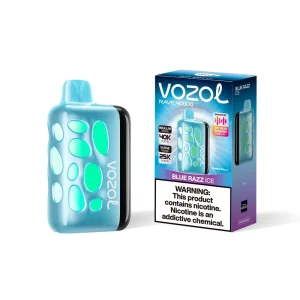

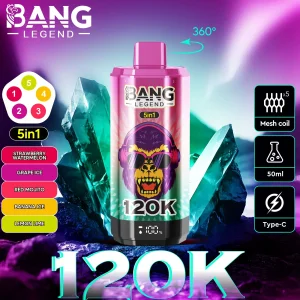

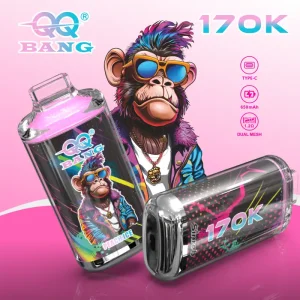
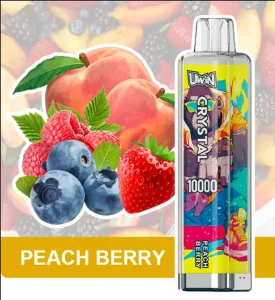
The global electronic nicotine delivery systems (ENDS) sector is experiencing a structural paradigm shift. Original Design Manufacturing (ODM) has transcended conventional contract manufacturing, evolving into an engineering-driven ecosystem. As global regulatory frameworks tighten—demanding strict compliance with the European Union’s Tobacco Products Directive (TPD), the U.S. FDA’s Premarket Tobacco Product Application (PMTA) pathways, and regional directives across Southeast Asia and the Middle East—brand owners can no longer rely on white-label rebadging. Sustainable competitive advantage requires advanced structural design, embedded Microcontroller Units (MCUs), proprietary atomization physics, and transparent, batch-level quality control.
In 2026, the demand for ODM Disposable Electric Cigarette Suppliers & Factories is characterized by a push toward ultra-high capacity hardware platforms (ranging from 10,000 to over 300,000 theoretical puff counts), smart interface telemetry, multi-flavor switching mechanisms, and eco-conscious modular disposal designs. Modern ODM partners operate not merely as assembly lines, but as centralized research institutes providing industrial design, rapid tooling, custom e-liquid synthesis, automated assembly, and international regulatory clearance under one roof.
High-performance disposable devices are complex electro-mechanical instruments requiring synchronized performance between the power source, sensing circuits, atomization core, and liquid distribution matrix. Leading Chinese ODM factories have shifted from basic mechanical pneumatic switches to highly sophisticated digital architectures.
Proprietary heating matrices utilize medical-grade FeCrAl mesh structures with resistance tolerances below ±0.05Ω. Dual-mesh configurations alternate firing cycles to eliminate thermal degradation, preserving e-liquid aromatic profiles across extended usage cycles up to 300K puffs.
Integrated 8-bit microcontrollers monitor continuous puff duration, battery voltage decay, and estimated fluid remaining via real-time screen displays (LED, TFT, or HD Curved Panels), offering intuitive child-lock and wattage adjustability features.
Equipped with high-density pure cobalt lithium-ion rechargeable cells (typically 650mAh to 850mAh), paired with dedicated Battery Management Systems (BMS) providing overcharge, short-circuit, and thermal runaway protection via Type-C fast-charging interfaces.
| Engineering Parameter | Legacy White-Label Hardware | Next-Gen ODM Technical Standard | B2B Distributor Advantage |
|---|---|---|---|
| Heating Element | Single Cotton Coil (1.2Ω) | Alternating Dual Mesh / Sub-Ohm (0.6Ω - 1.0Ω) | Zero dry hits, 100% flavor retention throughout lifecycle |
| E-Liquid Capacity | 2.0ml – 10.0ml Static Tank | 15ml – 50ml Multi-Chamber / Independent Pods | Unlocks high-puff consumer demand segment |
| Power Management | Direct Unregulated Output | Regulated Constant Voltage output via MCU | Consistent vapor density regardless of battery charge state |
| Leakage Prevention | Single Silicone Gasket | 5-Layer Anti-Leakage Sponge + Condensate Recirculation | Reduces transit damage RMA rates to < 0.05% |
Partnering with an established Chinese manufacturing center such as Dongguan Hongruida Technology Co., Ltd. gives global buyers access to a streamlined, multi-phase engineering pipeline. ODM customization allows brands to develop proprietary molds, distinctive industrial aesthetics, bespoke flavor profiles, and market-tailored packaging solutions.
Ergonomic form factors, surface finishes (crystal acrylics, soft-touch rubberized coatings, metallic anodization), and internal spatial modeling optimized for airflow efficiency and structural drop resistance.
High-precision CNC machining and 3D printing facilitate physical samples within 7 days. High-cavity injection molds are built in-house to maintain structural tolerances under 0.02mm.
In-house flavorists synthesize custom e-liquid formulations utilizing premium USP-grade vegetable glycerin (VG), propylene glycol (PG), and pharmaceutical-grade nicotine salts compliant with local market thresholds.
Navigating cross-border regulatory compliance is the single greatest challenge facing vape distributors today. Professional ODM suppliers mitigate market entry friction by maintaining extensive certification portfolios and established regional logistics hubs.
To support high-velocity replenishment cycles, leading manufacturers utilize centralized European logistics distribution centers (e.g., in Poland and Germany). This local warehousing model enables bulk import processing, customs clearance ahead of sales, and rapid 2-5 day ground delivery across key EU member states, insulating distributors from ocean freight volatility and localized port delays.
Complete notification dossiers, emission testing (TPD Article 20 compliance for 2ml pods), and CE/RoHS safety certifications ensuring legal marketability in European territories.
Formulations engineered to adhere to strict state-level guidelines, heavy metal testing standards, and PMTA physical device specification documentation.
Delivered Duty Paid (DDP) logistics pathways coupled with direct dispatch from EU local stock (e.g., Netherlands, Poland, Germany warehouses) for rapid inventory turnaround.
A manufacturing fault in an electronic cigarette can destroy a distributor's reputation. Authentic industrial factories execute rigorous, multi-stage Quality Control (QC) and Assurance (QA) protocols on 100% of incoming components and final assembled units prior to export packaging.
Finished units are placed in vacuum chambers simulating high-altitude air pressure conditions (-50kPa) to ensure absolute seal integrity during air cargo transit.
Devices undergo environmental chamber cycling between -20°C and +60°C at 95% relative humidity to verify battery stability and plastic housing thermal resilience.
Micro-processor-controlled puff simulators analyze total output consistency, aerosol particle size distribution, cut-off switch responsiveness, and airflow resistance (mmH2O).
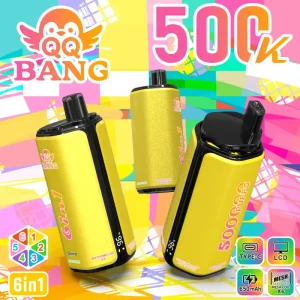
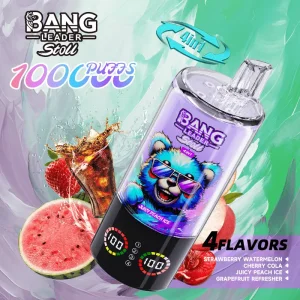
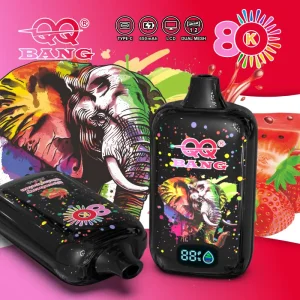
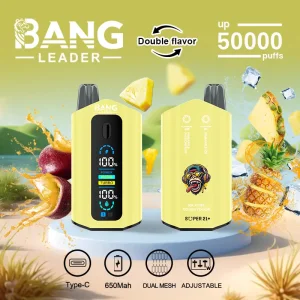
Review our high-capacity rechargeable e-cigarette inventory, featuring multi-flavor switching mechanisms, smart digital displays, and verified CE/EU certified safety standards.
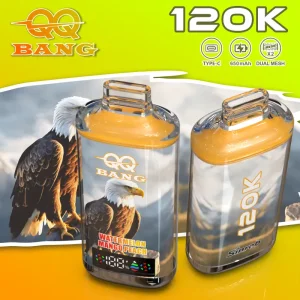
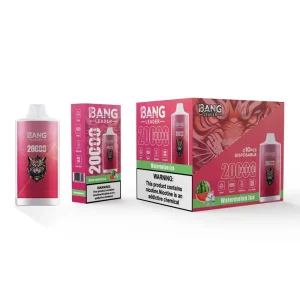
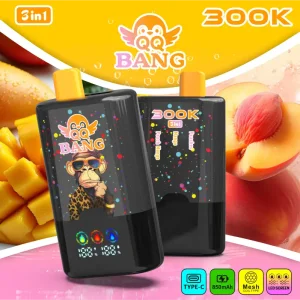
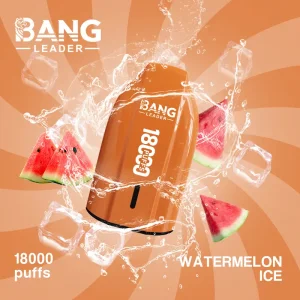
As the ENDS industry matures, ODM suppliers are investing heavily in technologies that balance performance, compliance, and environmental stewardship. B2B buyers looking to maintain a future-proof portfolio must monitor four key innovation vectors:
Transitioning from petroleum-derived ABS plastics to PCR (Post-Consumer Recycled) materials and biodegradable PLA (Polylactic Acid) polymers to comply with emerging EU circular economy mandates.
Engineering click-and-release mechanisms that permit end-users to segregate lithium-ion cells from plastic e-liquid reservoirs effortlessly, streamlining local municipal recycling compliance.
Formulating precision botanical formulations and high-purity S-isomer synthetic nicotine salt matrices that deliver clean sensory satisfaction while adhering to shifting legal definitions across global jurisdictions.
Direct answers to crucial technical, financial, and logistical questions raised by wholesale buyers, brand managers, and importers prior to commissioning mass production.
OEM (Original Equipment Manufacturing) involves producing devices based entirely on pre-existing factory designs, where the client simply adds their logo, colorway, and pre-selected flavor choices. ODM (Original Design Manufacturing) is a comprehensive turnkey process where the factory develops a bespoke product from scratch. This includes custom structural CAD design, proprietary housing molds, customized PCB chip programming, bespoke airflow dynamics, unique screen graphics, and tailored e-liquid formulations specifically engineered for your brand identity.
Preventing dry hits across tens of thousands of puffs requires three structural innovations: first, using dual or quad mesh coil arrays that fire alternately to reduce continuous thermal stress on the organic cotton wicking material; second, incorporating multi-chamber liquid delivery systems that meter fluid flow via capillary pressure differentials; and third, implementing smart temperature control MCU chips that reduce power output automatically if fluid saturation drops below critical thresholds.
For standard white-label/OEM customization on existing platforms, MOQs typically start at 1,000 to 5,000 units per flavor. For full structural ODM projects requiring custom injection molds and dedicated PCB engineering, initial project MOQs generally range from 50,000 to 100,000 units across flavors. Sample prototypes are delivered within 7–10 days; mold production takes 25–35 days; and full mass production fulfillment requires approximately 15–20 days following sample sign-off.
Utilizing EU-based local stock nodes (such as bonded facilities in Poland, Netherlands, or Germany) allows distributors to bypass international air cargo delays, clear customs in bulk ahead of time, avoid volatile spot shipping rates, and achieve 48-to-96-hour order delivery. This operational model dramatically improves cash-flow efficiency and minimizes out-of-stock scenarios for high-selling SKUs.
All rechargeable disposable vapes must comply with UN38.3 transport safety testing standards, MSDS (Material Safety Data Sheets), CE, RoHS, and FCC directives. Batteries must feature hardware-level protection against overcharging, deep discharge, short-circuiting, and impact-induced thermal failure.