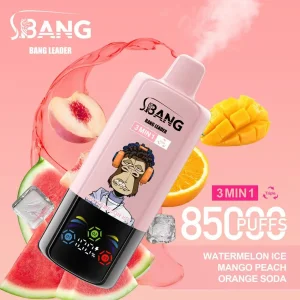
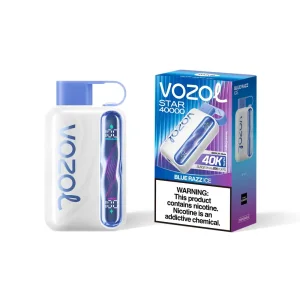
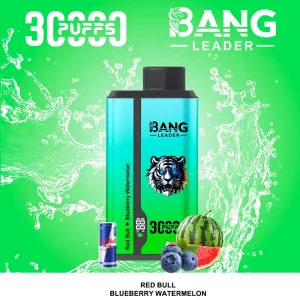
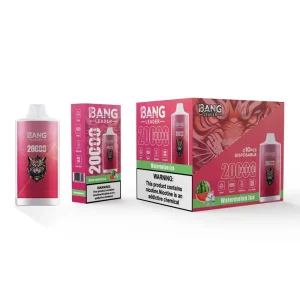
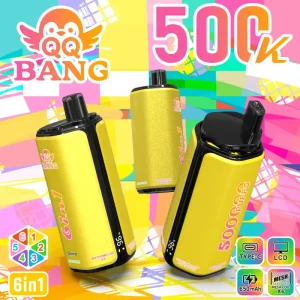
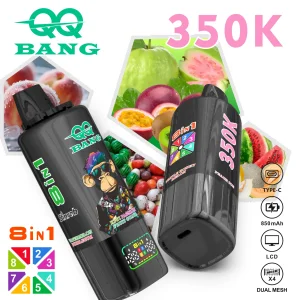
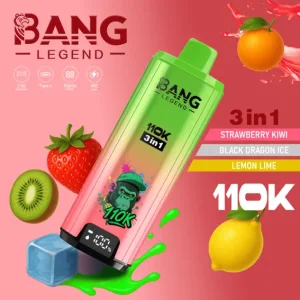
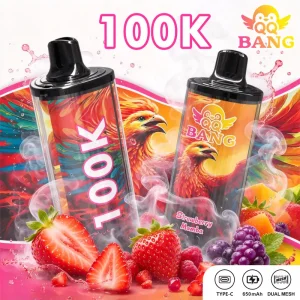
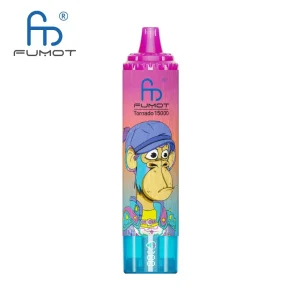
Explore our engineered high-puff, dual-flavor, and screen-display Pod systems manufactured in accordance with strict ISO9001 and TPD/CE compliance standards.
The global vaporized nicotine and alternative delivery device market has entered an unprecedented era of technological transformation. Simple closed-system pods and low-capacity disposables are rapidly yielding market share to Pro Pod Architectures—high-capacity, screen-enabled, multi-chamber modular vaping platforms designed for long-term usability, enhanced thermal efficiency, and multi-flavor customization. For global brand owners, importers, and regional distributors, navigating the operational realities of sourcing from an **ODM Pro Pod Factory** is no longer merely a pricing exercise; it is a complex engineering alignment encompassing fluid dynamics, micro-battery safety, custom chip programming, and international regulatory compliance.
As a leading manufacturing hub based in Dongguan, China, **Dongguan Hongruida Technology Co., Ltd.** operates at the absolute epicenter of this industrial evolution. With over 300 skilled technical personnel, a dedicated precision structural engineering division, and a monthly output exceeding 5 million units exported across 45+ countries, Hongruida bridges the gap between raw hardware innovation and consumer brand success. This comprehensive whitepaper provides enterprise procurement executives, FMCG brand managers, and B2B vape wholesalers with an exhaustive breakdown of the global Pro Pod manufacturing ecosystem, evaluating structural engineering, China supply chain mechanics, localized regulatory realities, and strategic ODM selection frameworks.
The commercial trajectory of modern e-cigarettes demonstrates a distinct movement toward modularity and intelligent power control. High-puff Pro Pod devices—ranging from 15,000 puffs to over 350,000 puffs in enterprise multi-chamber configurations—have transformed consumer expectations across diverse regional markets.
Demand in North America is anchored by visual telemetry and power adjustment options. Consumers require integrated HD screens displaying real-time e-liquid saturation levels, battery life percentages, and wattage controls (e.g., Eco Mode vs. Boost Mode). Smart logic boards coupled with dual-mesh atomization cores dominate sales channels.
The EU market presents a complex dual framework. While 2ml TPD-restricted devices remain essential for traditional retail channels, high-puff modular Pro Pods featuring detachable battery modules, child-safety locks, and recyclable components are surging in popularity to meet environmental directives while ensuring cost-efficiency for adult users.
In regions like the GCC and LATAM, high vapor output, robust throat hit, and multi-flavor switching mechanisms (such as 2-in-1, 4-in-1, or 6-in-1 rotary pod systems) command premium margins. Buyers prioritize durability, thermal insulation, and leak-proof engineering capable of enduring high ambient temperatures during transit.
Why does China—specifically the Greater Bay Area including Dongguan and Shenzhen—produce over 90% of the world’s vapor devices? The answer lies in complete supply-chain cluster density, precision mold tooling, and rapid industrial prototyping capabilities that cannot be matched anywhere else on the globe.
Unlike assembly-only vendors, premier ODM factories like Dongguan Hongruida Technology manage in-house structural parts engineering, injection molding, SMT circuit board surface mounting, automated coil winding, and final liquid sealing. Controlling component manufacturing internally prevents cross-tolerance errors that lead to oil leakage and airflow restriction.
In the rapidly evolving vape industry, launch cycles must be measured in weeks, not years. Chinese ODM infrastructure enables 3D sample rendering within 24 hours, functional CNC physical prototyping within 5 days, and full mass production tooling within 21 days—ensuring enterprise partners capitalize on emerging consumer flavor and format trends instantly.
Professional ODM facilities deploy comprehensive Quality Control protocols: automated optical inspection (AOI) for PCBA boards, simulated high-altitude negative pressure testing to prevent air-freight leakage, and battery lifecycle aging checks. Hongruida maintains an operational yield rate of 99.4% through strict component-level verification.
Successful product localization requires designing for specific regional usage environments, consumer preferences, and retail compliance frameworks. An ODM manufacturer must adapt hardware specifications accordingly:
Core Requirement: Extended longevity, zero maintenance, consistent wattage output from first puff to last.
ODM Solution: Integration of high-density pure cobalt lithium-ion batteries (650mAh to 850mAh) paired with Type-C fast-charging ICs. Dual mesh coils operating at sub-ohm resistances (0.6Ω to 1.0Ω) ensure flavor saturation remains uncompromised across high liquid volumes (20ml to 90ml reservoirs).
Core Requirement: Consumer flavor fatigue reduction within a single device shell.
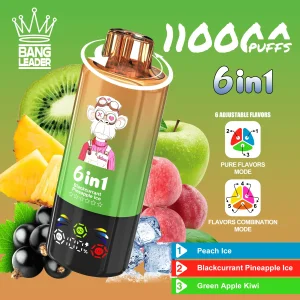
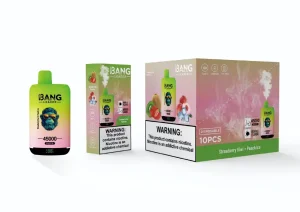
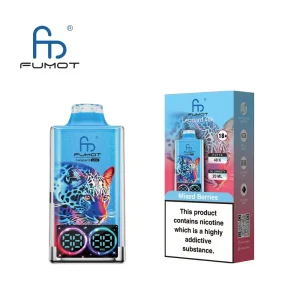
ODM Solution: Rotary multi-tank internal architectures (such as 2-in-1, 4-in-1, and 6-in-1 configurations like the Bang Leader and Fumot series). Independent airflow channels prevent flavor cross-contamination, allowing users to rotate pods seamlessly while sharing a single battery core.
Core Requirement: E-waste reduction and battery recycling alignment.
ODM Solution: Modular Pro Pod designs where the electronic battery chassis is fully separable from the pre-filled oil pod cartridge. Users retain the screen-equipped battery body while simply purchasing replacement pod cartridges, significantly lowering long-term plastic and heavy-metal disposal.
As the vapor technology sector matures, competitive differentiation relies on intelligent hardware features and enhanced user safety controls. Industry trends indicate several key growth vectors for ODM Pro Pod engineering:
Next-generation microcontrollers monitor coil resistance changes in real time (sampling at 100Hz) to prevent dry hits, dynamic cotton scorching, and aerosol thermal degradation. The device automatically modulates pulse-width output (PWM) to maintain optimal vapor density regardless of draw length.
To comply with global youth access prevention standards, advanced Pro Pod devices are incorporating fingerprint verification, Bluetooth app lockouts, and capacitive touch sensors. These security features ensure adult-only operation while protecting brand reputation in regulated markets.
Transitioning from traditional cotton-wrapped coils to microporous ceramic matrix heating element systems delivers ultra-consistent particle size distribution in aerosols, improving nicotine delivery efficiency while extending flavor clarity over tens of thousands of puffs.
Selecting an ODM Pro Pod manufacturer is a strategic commitment that directly impacts brand equity, legal risk, and margin stability. Enterprise buyers must evaluate potential factory partners across five critical auditing criteria:
Ensure your ODM contract includes explicit intellectual property protection agreements and clear terms regarding custom tool ownership. Hongruida offers dedicated private-label molding options that guarantee industrial design exclusivity in your target markets.
Pod performance is intrinsically linked to liquid viscosity, sweetener content, and benzoic acid ratios. Work with factories equipped with certified analytical chemistry labs capable of testing coil longevity against your specific e-liquid formulations.
Lithium-ion batteries are classified as Class 9 Dangerous Goods. A reliable ODM supplier provides complete MSDS, UN38.3, and CE transportation safety reports, maintaining established global freight channels for smooth customs clearance.
Answers to critical questions asked by global distributors, brand owners, and compliance officers during ODM onboarding.
OEM (Original Equipment Manufacturer) involves manufacturing hardware based on existing factory designs where the brand owner simply applies custom logos, colorways, flavor fills, and retail packaging. ODM (Original Design Manufacturer) is a comprehensive partnership where the factory engineers fully custom structural molds, PCB circuit architecture, firmware logic, and unique ergonomic shells from concept drawings provided by the client.
Our engineering team utilizes a multi-layered leak barrier system consisting of high-grade food-grade silicone seals, condensed aerosol catch basins, isolated airflow intake channels, and dual-pressure absorption chambers. Every pod design undergoes simulated negative-pressure altitude chamber testing to guarantee seal integrity during international air transit and temperature fluctuations.
For standard OEM branding on existing catalog models (such as Bang, Fumot, or Vozol series), MOQs generally start at 1,000 units per flavor with a production lead time of 7 to 12 days. Full ODM custom molding projects typically require an MOQ of 50,000 to 100,000 units, with tooling and prototype validation taking 21 to 35 days prior to mass production.
All manufacturing facilities at Dongguan Hongruida Technology Co., Ltd. comply with ISO9001 quality management systems. Our hardware platforms maintain CE, RoHS, FCC, and TPD compliance testing reports. Battery cells carry UN38.3, MSDS, and IEC62133 certifications to meet import regulations in Europe, North America, and beyond.
Absolutely. We strongly encourage on-site audits by brand clients and third-party inspection agencies (e.g., SGS, Intertek). We regularly host overseas delegation tours—such as our recent in-depth technical exchange with Dutch wholesale clients—to review cleanroom assembly lines, automated QC equipment, and warehouse logistics.
Browse our additional high-capacity pod devices, high-puff disposable vapes, and customizable smart pod platforms.
Whether you are expanding an established vape brand into new global regions or launching a novel private-label Pro Pod system, Hongruida delivers factory-direct pricing, engineering expertise, and reliable batch shipping. Contact our international export engineering team today for catalog quotes and custom ODM consultation.