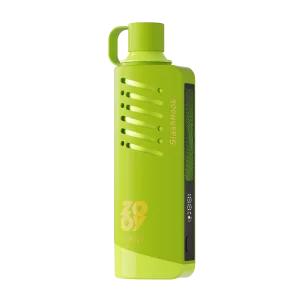
Immediate access to bulk wholesale, high-puff count electronic atomizers, dual-mesh innovation systems, and EU-compliant warehouse stocks.
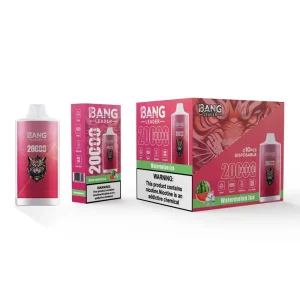
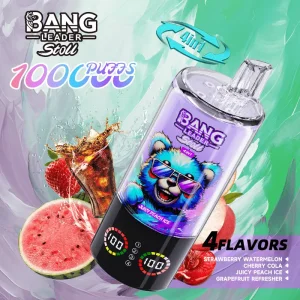
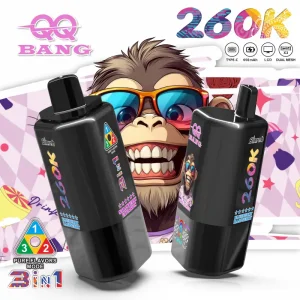
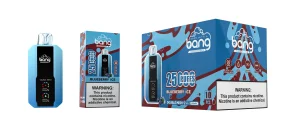
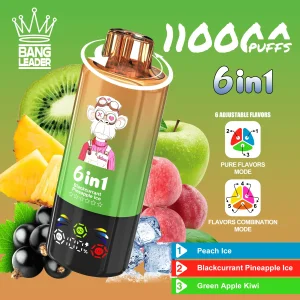
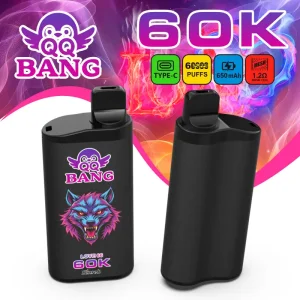
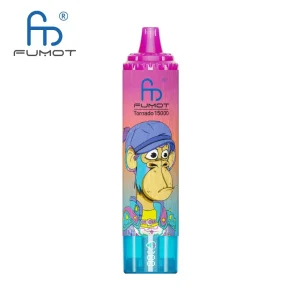
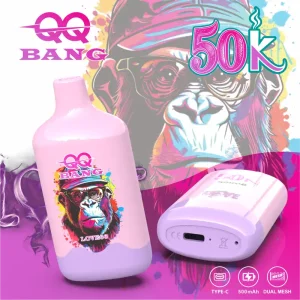
The global electronic nicotine delivery systems (ENDS) sector has transitioned into a highly sophisticated industrial eco-system. Brands searching for a reliable OEM disposable vape supplier & companies are no longer merely comparing unit costs; they are evaluating engineering precision, volumetric efficiency, regulatory compliance frameworks, and component-level reliability. As consumer demands shift toward extended lifespan devices (ranging from 15,000 to over 260,000 puffs), real-time battery/e-liquid digital interfaces, dynamic multi-flavor switching mechanisms, and enhanced flavor preservation technology, the entry barrier for OEM/ODM vape manufacturing has escalated exponentially.
Manufacturing clusters localized in primary industrial zones such as Dongguan and Shenzhen account for over 90% of global disposable vape production. However, elite tier-1 manufacturers differentiate themselves by moving beyond basic assembly toward end-to-end precision manufacturing. This includes in-house structural tooling, micro-electronics integration, automated cleanroom assembly, and stringent batch-level quality control.
Understanding the core technical variables—such as atomization core resistance tolerances, propylene glycol to vegetable glycerin (PG/VG) viscosity compatibility, structural anti-leakage seals, and thermal dissipation—is vital for global distributors aiming to build sustainable brand equity.
Inside the structural and micro-electronic innovations driving high-performance disposable vape devices.
Traditional single wire coils often suffer from thermal degradation over prolonged use, resulting in a burnt taste after 3,000–5,000 puffs. Modern OEM vape suppliers utilize dual-mesh and triple-mesh architectures operating on alternating firing modes. By utilizing honeycomb-etched FeCrAl (Iron-Chromium-Aluminum) mesh elements, heat distribution is maximized across a surface area up to 300% larger, maintaining consistent flavor delivery through high puff counts.
Battery failure or rapid voltage drops represent significant warranty risks for vape brands. Tier-1 OEM factories specify pure cobalt high-rate lithium-ion rechargeable batteries (typically 650mAh to 850mAh) paired with Type-C fast-charging ICs. Pure cobalt chemistries exhibit significantly lower internal resistance and slower capacity decay curves compared to ternary lithium alternatives.
Integrating MCU (Microcontroller Unit) chipsets with high-definition TFT or LED displays enables real-time telemetry tracking. End users monitor remaining e-liquid volume, exact battery charge percentage, and current output wattage. Variable wattage modes (e.g., Soft 12W, Normal 18W, Boost 25W) allow customized vapor density without compromising coil longevity.
| Engineering Dimension | Standard Entry-Level OEM Vape | High-Specification Tier-1 OEM Vape |
|---|---|---|
| Atomization Core | Single Wire Cotton / Standard 1.2Ω Mesh | Dual/Triple Honeycomb Mesh (0.6Ω - 1.0Ω) alternating mode |
| E-Liquid Retention System | Basic Poly-fill Storage Cotton | Multi-layer Oil-Coil Separation (OCS) / Independent Reservoirs |
| Battery Cell Chemistry | Ternary Lithium / Reclaimed Cells | A-grade Pure Cobalt Rechargeable Cell with NTC Thermal Sensor |
| Display & Control | Single LED Indicator Light | Full-Color TFT / Curved Screen displaying Juice, Battery & Wattage |
| Leakage Prevention SLA | < 2% Leakage Rate under pressure change | < 0.05% Leakage (Ultrasonic Sealed + Triple O-Ring Barriers) |
Navigating the international e-cigarette ecosystem requires localized market alignment. A global disposable vape manufacturer & wholesale company must tailor hardware configurations, liquid capacities, and regulatory documentation based on targeted market destinations.
Key Focus: TPD / TRPR Strict Compliance.
Under Tobacco Products Directive Regulations (Directive 2014/40/EU), finished devices must maintain e-liquid tanks under 2ml with nicotine strength capped at 20mg/ml (2%). Tier-1 factories support TPD-compliant 600 to 800 puff devices, as well as refillable/pod-style hybrid systems that strictly observe child-resistant container safety standards, emission testing, and MHRA notifications.
Key Focus: Ultra-High Puff Counts & Screen Displays.
Markets across North America and select Latin American countries favor extended-capacity disposables ranging from 15,000 to 50,000+ puffs featuring dual tanks, dynamic ice level controls, multi-flavor switching toggles, and customized branding. OEM factories assist brands with comprehensive PMTA (Premarket Tobacco Product Application) data collection files.
Key Focus: Sub-Ohm Cloud Output & Bold Flavors.
Distributors in the Middle East and CIS countries demand dense vapor output, lower resistance coils (0.4Ω - 0.6Ω mesh), and high-capacity e-liquid reservoirs (18ml to 30ml). Custom flavor profiling often emphasizes sweet fruit blends, intense menthol top notes, and robust shisha-style vapor characteristics.
From initial CAD engineering concepts to mass cleanroom production and international logistics execution.
The process initiates with 3D structural modeling, ergonomic shape optimization, and internal spatial architecture design. High-precision CNC machining builds prototype samples within 5-7 working days. Steel injection molds are engineered with tolerances as tight as ±0.01mm to ensure flawless seal fitment.
In-house flavorists conduct thermal stability and aging tests on e-liquid formulations. Formulations undergo GC-MS (Gas Chromatography-Mass Spectrometry) analysis to ensure absence of banned compounds (such as diacetyl, acetyl propionyl, or heavy metal trace residues) while verifying vapor consistency under variable temperatures.
E-liquid filling and battery soldering occur inside ISO Class 8 dust-free workshops. 100% of manufactured units pass through automated vacuum leak-test chambers, simulating negative pressure high-altitude air cargo transportation conditions to eliminate leakage risks.
Final products are fitted with anti-counterfeiting QR codes, batch number tracking, tactile warning triangles, and region-specific health warnings. Fully dangerous goods (DG) certified packaging enables compliant air and sea freight logistics directly to destination ports or bonded warehouses.
As the market matures, hardware developers and brand owners must align with long-term technological trajectories. The next generation of disposable vapes and closed-pod devices will be defined by sustainability, intelligent micro-processing, and enhanced user safety controls.
Future disposable devices will integrate quick-release battery modules and PCR (Post-Consumer Recycled) bio-plastics. Modular designs allow consumers to decouple lithium batteries for recycling prior to chassis disposal, mitigating environmental impact and adhering to evolving EU battery directive mandates.
Integration of low-power capacitive touch locks, fingerprint recognition, and Bluetooth smartphone pairing will prevent unauthorized youth access. Intelligent power chips will automatically lock devices when left unattended for extended periods.
Next-generation R&D is exploring high-frequency ultrasonic ceramic transducers as an alternative to traditional thermal wire coils. Ultrasonic misting operates at lower surface temperatures, eliminating thermal degradation compounds while producing ultra-fine droplet sizes for enhanced nic-absorption efficiency.
Expert technical answers addressing critical questions asked by global distributors, brand owners, and procurement officers.
Explore high-capacity, screen-enabled, and multi-flavor devices engineered for large-scale wholesale distribution.