Direct-from-factory electronic tobacco hardware engineered with precision mesh coils, real-time power displays, and modular safety systems.
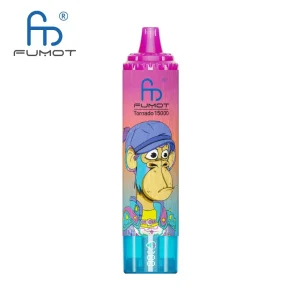
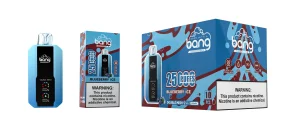
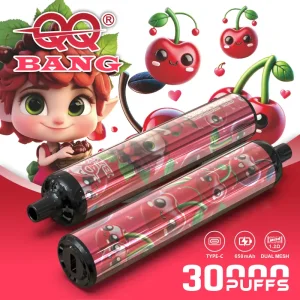
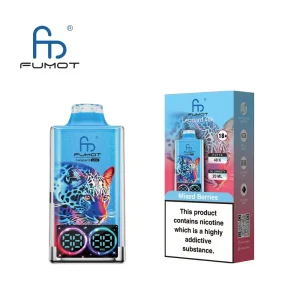
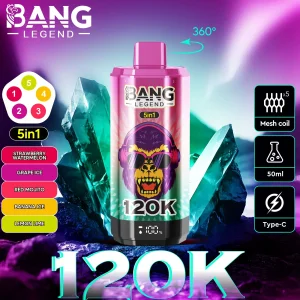
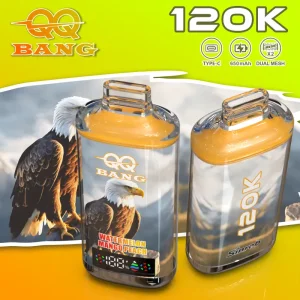
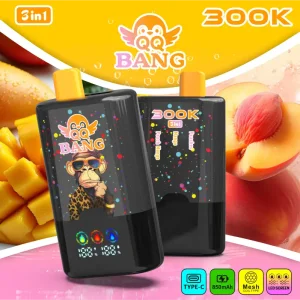
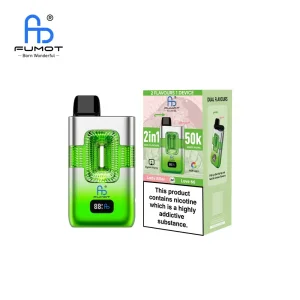
The global reduced-risk nicotine delivery system landscape is undergoing a structural paradigm shift. As international markets transition from rudimentary disposable vape devices toward highly sophisticated, micro-processor-controlled electric tobacco systems, enterprise procurement leaders must re-evaluate their contract manufacturing partnerships. Modern electric tobacco OEM/ODM integration is no longer restricted to plastic housing injection and basic liquid filling. Today, state-of-the-art production environments demand semiconductor-grade precision assembly, advanced fluid dynamics engineering, micro-meter mesh coil calibration, and stringent international regulatory compliance.
Search intent analytics across enterprise procurement queries indicate an urgent buyer focus on operational reliability, zero-leakage guarantees, batch-to-batch consistency, and rapid cycle times from prototype to mass production. As top-tier OEM electric tobacco suppliers, advanced Chinese manufacturing hubs located in Dongguan and Shenzhen have synthesized supply chain density with automated cleanroom technologies to lower the total cost of ownership (TCO) for global distributors, multi-state operators (MSOs), and independent brand holders.
Exploring the engineering breakthroughs powering high-puff longevity, dual-flavor switching, smart UI display panels, and biometric access safety.
Traditional single wire coils suffer from thermal degradation over high puff counts (15,000 to 300,000+ puffs). Next-gen OEM platforms deploy dual-mesh heating elements constructed from surgical-grade FeCrAl mesh alloys or porous ceramic structures. By alternating activation frequencies, the localized heat density is reduced by 35%, ensuring pure flavor fidelity without dry hits across the entire lifecycle of the device.
Integration of low-power Microcontroller Units (MCUs) enables pulse-width modulation (PWM) power stabilization. Regardless of battery voltage discharge (from 4.2V down to 3.3V), the core heating output remains constant. Integrated OLED and LED digital tube displays provide real-time telemetry on battery power percentages and precise remaining e-liquid volume indicators.
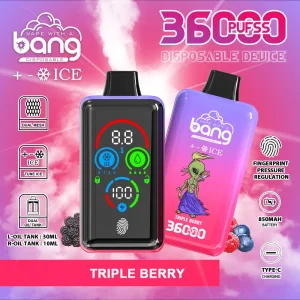
Addressing stringent global safety standards, progressive OEM designs feature integrated capacitive fingerprint locks and touch-sensitive dynamic voltage controls. This dual mechanism serves as a reliable child-resistance lock (CRL) while permitting adult users to fine-tune vapor density and throat hit intensity according to personal preference.
| Engineering Attribute | Gen 1 Disposable (Basic) | Gen 2 Smart Display (15k-50k) | Gen 3 High-Capacity OEM (100k-450k) |
|---|---|---|---|
| Heating Core Tech | Single NiCr Wire Coil (1.2Ω) | Single/Dual Mesh Coil (0.8Ω - 1.0Ω) | Alternating Dual-Mesh 3.0 System (0.6Ω Low Res) |
| Atomization Power Stability | Unregulated Direct Output (3.7V - 3.0V drop) | Constant Voltage IC (Boost Circuit) | Dynamic PWM MCU with Variable Wattage Control |
| Leakage Prevention Standard | Single Silicone Seal Plug | Triple Polymer O-Ring Lock | Multi-Chamber Fluid-Air Separation & Ultrasonic Weld |
| Telemetry & User Interface | Bottom LED Indicator Light | Digital Tube Screen (Battery/Juice %) | Full-Color HD Screen / Biometric Fingerprint Lock |
| Battery Cell Grade | Standard Cobalt-Blend Cell (18400) | Pure Cobalt Rechargeable Cell (650mAh Grade A) | Fast-Charge Lithium-Polymer Cell (950mAh Type-C) |
Centering high-volume electric tobacco manufacturing within Dongguan and Shenzhen yields distinct structural competitive advantages for international sourcing enterprises. The concentration of precision mold fabrication shops, lithium-ion cell manufacturers, e-liquid compounding facilities, and automated packaging plants within a 30-kilometer radius minimizes logistical friction and accelerates product iteration cycles.
Modern OEM production environments operate under strictly monitored ISO Class 8 dust-free workshop protocols. Every production station incorporates automated vision-inspection sensors (CCD camera checking) to instantly reject structural imperfections, missing silicone seals, or improper wire soldering.
Automated pneumatic liquid injection lines deliver ±0.05ml precision dosing per device chamber. High-frequency ultrasonic welding technology creates hermetically sealed e-liquid reservoirs, completely eliminating glue contaminants and resisting thermal expansion during air cargo transport.
Each batch of raw materials—from lithium battery cells to nicotine salt bases—is tagged with unique laser QR codes. Fully integrated Manufacturing Execution Systems (MES) allow total traceability, ensuring complete batch accountability in accordance with global compliance audits.
Navigating regional market preferences requires flexible OEM/ODM strategies. Global market buyers exhibit divergent demands ranging from ultra-high puff capacity devices in select international regions to strict sub-2ml TPD tank constraints across EU member states.
To mitigate maritime logistics delays and customs friction, leading OEM suppliers maintain dedicated bonded warehouses within Europe (e.g., Germany, Spain, Netherlands). Distributors can leverage localized spot stock for fast 48-72 hour replenishment, drastically reducing cash flow strain and inventory holding risks.
Comprehensive OEM services include specialized e-liquid blending engineered by certified flavor chemists. Utilizing premium pharmaceutical-grade propylene glycol (PG), vegetable glycerin (VG), and ultra-pure nicotine salts, flavor profiles are precisely optimized for specific regional consumer palates (e.g., intense icy profiles, multi-flavor switching designs).
Regulatory compliance represents the single greatest risk factor in global electronic tobacco distribution. A reliable factory partner must act as a compliance umbrella, providing verified documentation, emissions lab analysis, and physical device safety features.
Compliance with European Tobacco Products Directive (TPD) requirements involves rigorous emissions testing (aldehyde screen, heavy metal analysis), child-resistant mechanism validation, and drop-impact resistance testing certified by accredited third-party laboratories (SGS, TUV, Intertek).
All integrated rechargeable lithium battery cells are subjected to strict UN38.3 thermal stress, altitude simulation, and mechanical shock testing. Safety datasheets (MSDS) and IEC 62133 compliance dossiers accompany every export shipment for seamlessly clear customs processing.
For US market operations, factories supply comprehensive technical data packages necessary for Premarket Tobacco Product Applications (PMTA). This includes constituent testing (HPHC list), device stability data, toxicology reports, and software verification records.
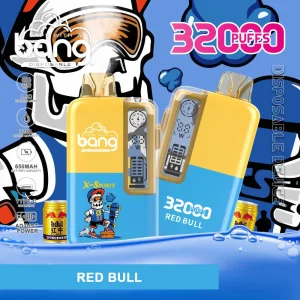
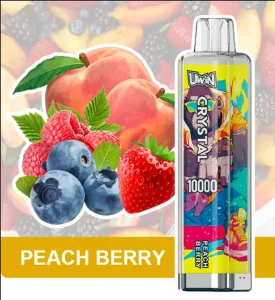
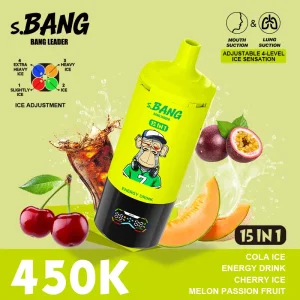
Explore additional high-performance OEM/ODM platforms designed for rapid market deployment and regional distribution.




In-depth technical and operational answers to facilitate vendor evaluation and contract manufacturing decisions.