Industrial-grade hardware engineered specifically for high-density liquid flavor formulations, optimized wick saturation, and precise thermal profile delivery.
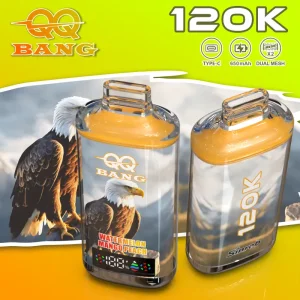
CE Certification QQ Bang 120K Equipped with 650mAh Rechargeable Battery Pod
View Specifications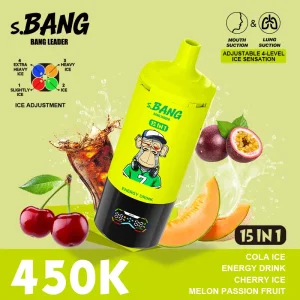
OEM Newest Bang Leader 450K Puff Vaper 15in1 Flavors Vape Pen
View Specifications
Zooy Slash Hook 80000 Puffs Dual Mesh Coil Dust-Proof Disposable Vapor
View Specifications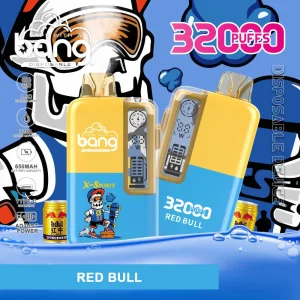
Bang King 32000 Puffs Electronic Cigarette Multi-Spec Supply
View Specifications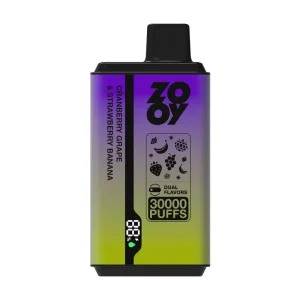
CE Certification Vozol 40k Triple 3in1 2in1 30K Puff Wholesale Vaper
View Specifications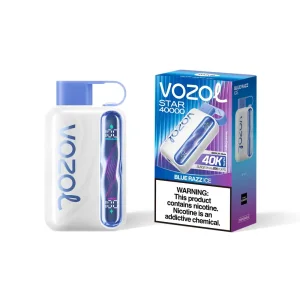
China Original Vozol Star 40000 Puffs Shisha Hookah Pen 30 Flavors
View Specifications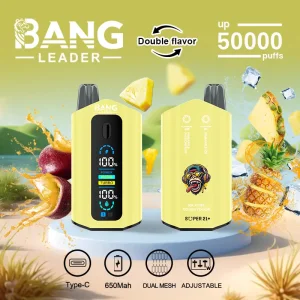
ODM Randm Bang Leader 50000 Puff Bar Digital Screen Disposable Vape
View Specifications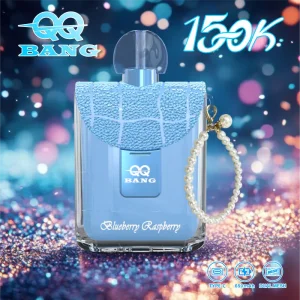
ODM 2026 QQ Bang 150K Disposable Vape Digitalbox 150000 Puffs
View SpecificationsAnalyzing the paradigm shift from basic e-liquid mixing to molecular aromatic engineering in global B2B manufacturing.
The global vapor industry has entered an era defined by stringent compliance standards, chemical precision, and intense competitive saturation. Modern procurement heads and brand owners no longer search simply for high-capacity liquid flavor suppliers; they demand vertically integrated ODM/OEM manufacturing partners capable of providing end-to-end chemical stability, toxicological assurance, and optimized aerosol dynamic parameters. As consumer preferences shift toward nuanced, layered flavor profiles that remain structurally stable across extended coil lifespans (ranging up to 450,000 puffs in modern high-capacity formats), the formulation of OEM liquid flavors requires sophisticated chemical modeling.
At the enterprise scale, liquid flavor development intersects organic chemistry, thermodynamic behavior within ceramic micro-structures, and multi-jurisdictional regulatory frameworks. OEMs must overcome complex technical challenges including thermal degradation of aromatic esters, oxidation of high-purity nicotine, and phase separation of hydrophobic cooling agents under fluctuating ambient conditions. Resolving these challenges requires moving away from manual batch blending toward computerized liquid handling, automated molecular chromatography analysis, and cleanroom-enclosed production lines.
Traditional OEM suppliers utilize standard food-grade flavor concentrates designed for ingestible digestion, which frequently decompose into harmful carbonyl compounds when exposed to heating wires exceeding 200°C. Advanced OEM liquid flavor factories formulate specifically for thermal-stable pyrolytic profiles. By selecting high-boiling-point aromatic compounds and non-reactive carrier solvents, modern OEM solutions guarantee consistent vapor flavor reproduction without producing unwanted thermal degradation byproducts.
Exploring next-generation molecular carriers, synthetic nicotine salt matrixes, and cooling agent thermal resistance.
Replacing traditional Propylene Glycol (PG) with low-viscosity bio-based PDO (1,3-Propanediol) to eliminate allergic reactions, enhance wick absorption speed, and deliver a cleaner aromatic presentation without harsh throat hit spikes.
Optimizing nicotine benzoate, salicylate, and levulinic acid ratios to control ionic dissociation rates. Enables immediate satisfaction curves while keeping low-pH solutions gentle on sub-ohm dual mesh coils.
Utilizing high-purity custom syntheses of WS-23, WS-3, and WS-12. Eliminates crystallization at low temperatures and prevents bitter thermal decomposition products during high-wattage boost modes.
Deploying fractional distillation extracts to build multi-stage sensory notes—delivering top-note freshness upon inhalation, body-note sweetness during vapor hold, and a clean base-note finish on exhale.
A critical technical evolution in liquid flavor manufacturing involves matching the fluid dynamics of the e-liquid to the pore size distribution of porous cotton wicks and heating elements. High-puff disposable devices (ranging from 30,000 to over 250,000 puffs) rely on consistent liquid transport over long operational lifespans. OEM formulations must maintain stable viscosity across a temperature range of -10°C to +50°C. Excessive viscosity leads to dry hits and coil burning, while overly low viscosity causes chamber flooding and air-path leakage. Through computerized rotational viscometry, modern factories adjust PG/VG hydrophobic ratios dynamically based on target device coil resistances (e.g., 0.4Ω dual mesh vs 1.2Ω single mesh).
Inside high-automation blending facilities, ISO-certified cleanrooms, and automated quality control pipelines.
Modern Chinese liquid flavor manufacturing facilities represent the pinnacle of automated chemical process control. Operating under ISO 9001, ISO 22716 (GMP), and ISO 13485 cleanroom standards, leading factories have eliminated human contamination risks through automated closed-loop liquid transfer systems. Raw aromatic ingredients are conveyed via stainless steel 316L piping from temperature-controlled storage tanks directly into ultrasonic mixing vats, ensuring zero exposure to ambient dust or atmospheric humidity.
Supply chain resilience is anchored in Shenzhen and Dongguan's hyper-dense industrial infrastructure. By co-locating flavor synthesis facilities with structural pod mold manufacturing, battery packaging lines, and silicon seal injection facilities, OEM lead times are reduced from months to days. This localized integration allows rapid iteration cycles for custom flavor matching, scale-up production, and container shipping.
Gravimetric dosing systems with micro-gram accuracy guarantee identical concentration of volatile top notes across multi-ton production batches.
Every raw material batch undergoes Gas Chromatography-Mass Spectrometry screening to verify component purity and guarantee zero traces of unwanted compounds like diacetyl, acetoin, or heavy metals.
Integrated Manufacturing Execution Systems assign unique 2D matrix codes to every bottle and filled pod cartridge, tracking batch lineage from raw chemical supplier to final export container.
Navigating TPD, FDA PMTA, CLP/GHS hazard warnings, and market-specific sensory expectations.
Navigating global regulatory landscapes requires OEM suppliers to act as regulatory consultants alongside their role as flavor manufacturers. A single non-compliant aromatic molecule or incorrect MSDS classification can cause customs seizures, retail bans, or severe financial liability for importing brands. Professional OEM liquid factories maintain dedicated regulatory affairs divisions tasked with real-time tracking of international chemical bans, maximum concentration thresholds, and labeling standards.
A standardized 5-step operational protocol for seamless transition from sensory concept to mass market distribution.
Clients define target flavor profiles, sweetness indexes, cooling intensities, throat hit levels, and hardware specs (resistance, wattage curve).
R&D chemists blend trial formulations within 72 hours, performing immediate GC-MS verification and initial thermal stability chamber testing.
Flavors undergo aerosol saturation testing inside the target pod device to verify wick absorption rate, coil longevity, and vapor yield consistency.
Samples undergo 14-day accelerated aging at 50°C/75% RH, centrifuge separation testing, and real-world flight pressure simulation.
Upon final sign-off, automated ISO Class 7 mixing, vacuum degassing, nitrogen flushing, and sealed filling take place under strict QC oversight.
Expert answers to critical operational, chemical, and logistics questions from brand procurement managers.
Under recommended warehouse conditions (cool, dark storage at 15°C–25°C in sealed dark glass or fluorinated HDPE containers), our OEM liquid flavor formulations maintain structural stability, aromatic fidelity, and color clarity for 24 months. Nitrogen-flushed packaging options are available for long-distance oceanic export to prevent oxidative degradation of nicotine and delicate citrus top notes.
We enforce a zero-tolerance policy for added diacetyl, 2,3-pentanedione, and acetoin. Every raw aroma compound sourced from chemical suppliers undergoes mandatory Gas Chromatography-Mass Spectrometry (GC-MS) analysis before release into production. Batch certificates of analysis (CoA) detailing parts-per-million (ppm) purity limits are supplied with every order.
Standard catalog formulations available in our master library require a low initial MOQ of 50 liters per flavor. Custom bespoke formulation development—involving custom chromatographic matching and accelerated stability validation—typically requires an initial batch order of 200 liters per unique SKU. Trial sample kits (100ml samples) are provided free of charge for qualifying enterprise accounts.
Yes. As a fully integrated ODM/OEM manufacturing ecosystem, we offer turnkey solutions spanning raw liquid synthesis, automated cleanroom pod injection, ultrasonic cap sealing, blister packing, and final retail display box packaging. This integrated workflow prevents cross-contamination and simplifies supply chain logistics under a single point of accountability.
We execute legally binding Non-Disclosure Agreements (NDAs) prior to sensory discussions or lab matching. Custom formulations developed for your brand are assigned exclusive molecular recipe codes within our ERP system. Proprietary recipes are protected under strict customer segregation protocols, ensuring your exclusive flavor profiles are never commercialized or shared with third-party buyers.
Every shipment is accompanied by a full export documentation pack, including 16-Section GHS Safety Data Sheets (SDS), Batch Certificates of Analysis (CoA), Non-Dangerous Goods or DG Transport Declarations (UN3363 / UN3082 compliance where applicable), ISO quality certifications, and Certificate of Origin (COO) documentation.
Explore specialized high-volume pod hardware and multi-tank flavor switching architecture engineered for global wholesale markets.
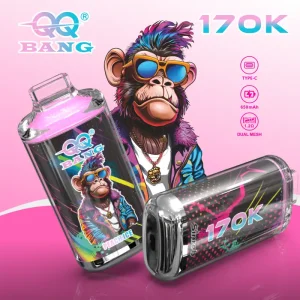
China 2026 New QQ Bang 170K Vape Disposable Crystal Design Device
View Specifications
OEM Bang Leader 30K Vabeen 2 in 1 Flavors 36ml E-Liquid Disposable Pod
View Specifications
Fumot Bang Blaze 60K Puffs 4 In 1 Adjust Flavor Disposable Vaper
View Specifications
Bang King 50K 50000 Puffs Dual Flavor 2in1 High Capacity Vape
View Specifications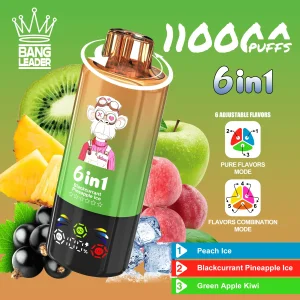
CE Certification Bang Leader 6in1 110K 90ml High E-Liquid Vape Box
View Specifications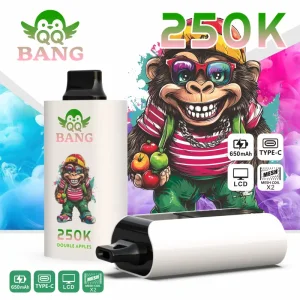
CE Certification Wholesale QQ Bang 250K Puffs Disposable Vape Pen
View Specifications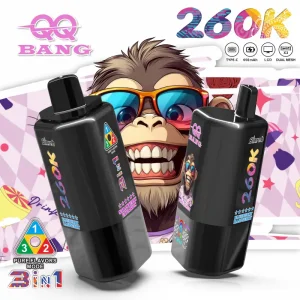
Original QQ Bang 260K Disposable E-Cigarette EU Local Stock
View Specifications
ODM Bulk Vapsolo 180k Advanced Smooth Circulation Device
View Specifications