Engineered for maximum flavor stability, advanced smart display monitoring, and strict zero-nicotine liquid formulation standards.
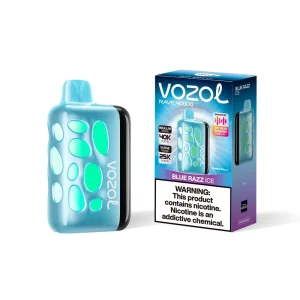
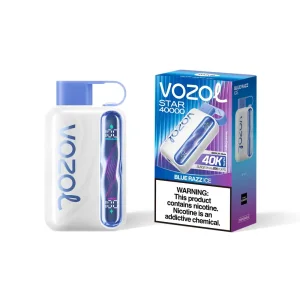
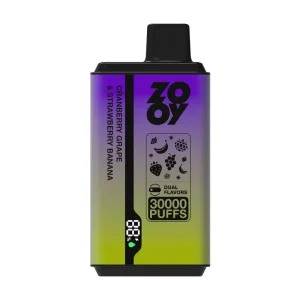
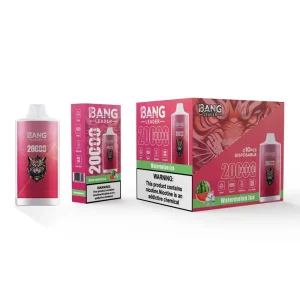
The Japanese vapour products market presents one of the most sophisticated, highly regulated, and quality-conscious enterprise landscapes in the world. Unlike conventional Western markets dominated by nicotine salts regulated under frameworks like TPD or US FDA PMTA, Japan’s commercial boundary for electronic atomization devices is strictly delineated by the Pharmaceutical and Medical Device Act (PMD Act) and the Tobacco Business Act. In Japan, liquid formulations containing nicotine are classified as medical substances requiring stringent pharmaceutical licensing, effectively creating a thriving, high-volume consumer market centered around premium zero-nicotine (non-nicotine) electronic atomizers and specialized botanical hardware systems.
For B2B importers, trading companies in Tokyo and Osaka, and brand developers seeking a dedicated Vozol Supplier & Factory partner for Japan, raw manufacturing capability is only part of the equation. Success requires a strategic combination of high-precision hardware development, micro-electronic safety engineering (such as PSE certification for charging circuits), zero-leakage structural design, and specialized e-liquid chemistry that delivers clean flavor delivery without synthetic additives. This whitepaper analyzes the manufacturing framework, compliance standards, technological breakthroughs, and supply chain logistics required to successfully distribute Vozol and high-puff disposable platforms throughout Japan.
Understanding local consumer behavior, regulatory boundaries, and flavor preferences in East Asia.
Strict non-nicotine enforcement requires rigorous laboratory testing and heavy-metal screening to ensure zero cross-contamination in automated filling lines.
Japanese consumers expect exceptional device longevity. High-capacity models (40,000 to 50,000+ puffs) must maintain constant voltage output throughout the device lifespan.
Preference leans toward delicate, multi-layered profiles like Shine Muscat, Ryukyu Citrus, Cherry Blossom Mint, and ultra-smooth green tea infusions over harsh menthols.
The primary barrier to entry for importing atomization hardware into Japan is regulatory compliance under Japanese customs law. Importing products labeled or found to contain trace amounts of nicotine without pharmaceutical authorization results in immediate seizure, severe financial penalties, and blacklisting of the importer. Consequently, leading manufacturing facilities dedicated to the Japanese market must operate strict segregate production protocols:
The Japanese consumer electronics market is famously discerning regarding build quality, battery safety, and industrial design. Cheap, plastic disposable builds with inconsistent power delivery fail to gain traction in premium retail networks in Shibuya, Ginza, or online platforms like Rakuten and Yahoo! Japan. Modern Vozol platforms engineered for this market integrate high-end structural features:
Engineered hardware standards designed for bulk procurement, OEM customization, and localized compliance.
| Performance Dimension | Vozol Star / Vista Series Specification | Japan Market Compliance Advantage |
|---|---|---|
| Atomization Core | Dual Mesh Coil System (0.6Ω - 1.0Ω dynamic rating) | Eliminates dry hits, maintains consistent aerosol density without burning. |
| Liquid Capacity | 18ml to 50ml Sealed Reserve Units | Multi-chamber leakproof silicon seal structure certified for air transport. |
| Battery Architecture | 650mAh - 850mAh Pure Cobalt Rechargeable Cell | PSE Ready circuitry, overcharge protection, thermal shutdown safeguard. |
| Nicotine Concentration | 0% (Strict Zero-Nicotine Formulation) | 100% compliant with Japanese PMD Act & Customs import regulations. |
| Microcontroller (MCU) | Smart Chipset with Dynamic Wattage Control | Adjustable power modes (Eco / Boost / Max) tailored for rich cloud or soft vapor. |
| Body Materials | PCR (Post-Consumer Recycled) Plastics & Anodized Aluminum | Eco-friendly construction meeting global ESG standards and Japanese recycling norms. |
From initial structural CAD modeling to custom liquid formulation and compliant retail packaging.
Japanese consumers have distinct flavor preferences. Our R&D team formulates customized zero-nicotine blends incorporating natural Japanese botanical extracts, precise cooling agents (WS-23), and specific aroma profiles designed to resonate with local palates.
Packaging must adhere to Japanese consumer presentation standards. We provide fully custom Japanese-language exterior artwork, safety icon printings, JAN barcode integration, and detailed consumer warning labels formatted per local retail guidelines.
Sourcing directly from our Dongguan precision manufacturing hub ensures seamless execution across every production phase:
Advancing electronic hardware through intelligent chipsets, eco-friendly materials, and ultrasonic vapor generation.
Integrating real-time microprocessors that automatically read user draw intensity, modulating voltage millisecond-by-millisecond to preserve coil saturation and prevent thermal breakdown of delicate flavor aromatics.
Transitioning device bodies from traditional plastics to bio-based PLA (Polylactic Acid) and post-consumer recycled aluminum, reducing the environmental footprint of high-puff disposable hardware in compliance with Japanese eco-regulations.
Researching piezoceramic ultrasonic transducer modules that vaporize non-nicotine liquids without metallic heating elements, producing zero thermal byproduct for ultra-clean aerosol inhalation.
Explore our complete range of high-capacity atomization devices available for direct factory shipment and private labeling in Japan.
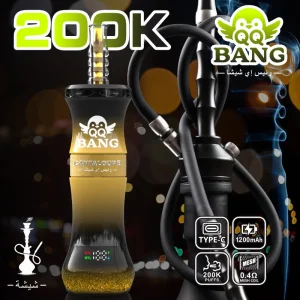
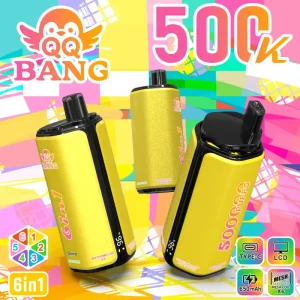
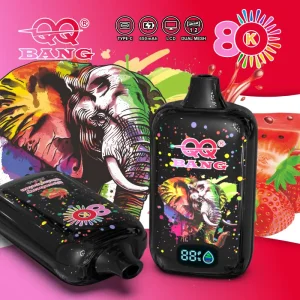
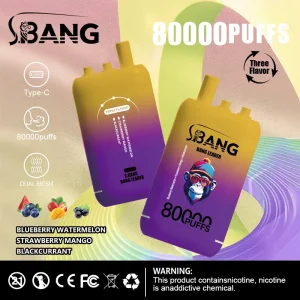
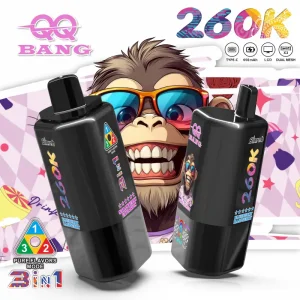
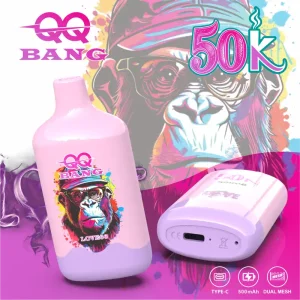
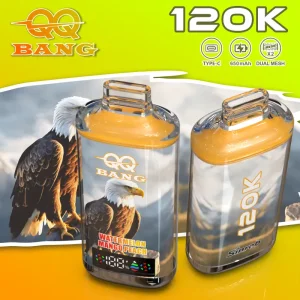
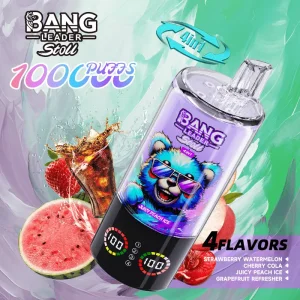
Comprehensive answers regarding regulations, custom OEM ordering, shipping logistics, and quality assurance.
Yes, provided the e-liquid formulation is 100% zero-nicotine (non-nicotine). In Japan, nicotine-containing liquids are classified as pharmaceutical products under the Pharmaceutical and Medical Device Act (PMD Act). Non-nicotine atomization hardware and zero-nicotine e-liquids are classified as general consumer goods and can be legally imported and sold across retail outlets, convenience stores, and e-commerce platforms like Rakuten and Yahoo! Japan.
Japanese customs authorities frequently require verified independent laboratory test reports. We provide full GC-MS (Gas Chromatography-Mass Spectrometry) analysis confirming zero nicotine content, heavy metal screening certificates, Safety Data Sheets (SDS), and UN38.3 lithium battery safety reports. Additional testing by Japan Food Research Laboratories (JFRL) can be facilitated upon request.
Absolutely. Our R&D liquid laboratory specializes in formulating delicate, low-sweetness, high-aroma profiles tailored to East Asian markets. Popular formulations for Japan include Shine Muscat Grape, Sakura White Peach, Uji Matcha Mint, Kyoho Grape, and Ryukyu Citrus. We also adjust cooling intensity (WS-23 levels) according to your exact brand specifications.
For standard factory-stocked models, minimum order quantities start at 500 to 1,000 units per flavor. For full OEM/ODM customization—including custom shell colors, branded Japanese packaging, custom UI screen animations, and bespoke flavor development—MOQ typically starts at 2,000 to 5,000 units per SKU depending on hardware complexity.
All Vozol platforms manufactured at our Dongguan facilities utilize pure cobalt A-grade lithium-ion cells equipped with integrated battery management chips (over-charge, short-circuit, and over-current protection). Hardware components comply with PSE safety standards where applicable, and battery air/sea freight shipments include UN38.3, MSDS, and drop-test verification for hassle-free transport into Narita, Haneda, or Kansai ports.
Sample orders and rapid prototyping are typically dispatched within 3 to 5 business days via express air courier (DHL/FedEx). Mass production orders require 15 to 20 business days for manufacturing and automated assembly. Air freight to Tokyo or Osaka takes approximately 3 to 5 days, while direct sea freight takes 7 to 12 days depending on destination port clearance speed.
Direct factory pricing, strict zero-nicotine compliance guarantee, and rapid turnaround for Japanese importers, wholesalers, and private label brands.
Send Inquiry Now